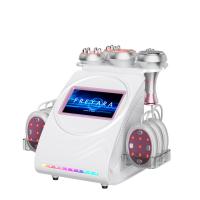
RF Testing Equipment: The Ultimate Guide to Radio Frequency Equipment_12
Radio frequency (RF) equipment is essential for various industries, including telecommunications, medical, and aerospace. These devices operate within the RF spectrum, enabling wireless communication, signal processing, and testing applications.
1. RF testing equipment2. RF signal generators
3. RF amplifiers
4. RF spectrum analyzers
1. RF testing equipment
RF testing equipment is crucial for ensuring the performance and reliability of wireless communication systems. These devices measure parameters such as frequency, power, and modulation accuracy. Common types of RF testing equipment include network analyzers, signal generators, and spectrum analyzers. These tools are widely used in industries like telecommunications, defense, and consumer electronics to validate RF components and systems. Proper testing ensures compliance with regulatory standards and minimizes interference in wireless networks. Investing in high-quality RF testing equipment can significantly improve product development cycles and reduce time-to-market for new technologies.
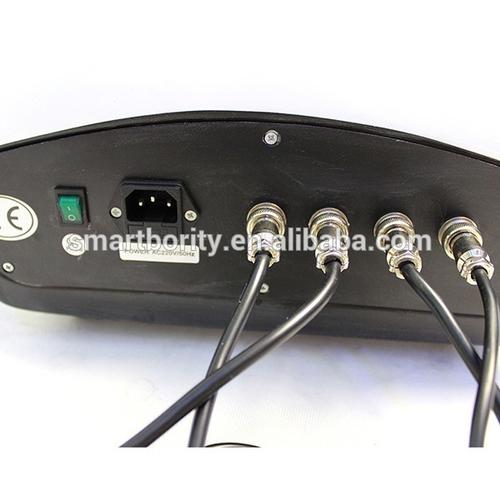
2. RF signal generators
RF signal generators are devices that produce electronic signals with specific frequencies, amplitudes, and modulation characteristics. They are essential for testing and calibrating RF systems, including receivers, transmitters, and antennas. Modern RF signal generators offer features like frequency agility, low phase noise, and high output power. These devices are used in research labs, manufacturing facilities, and field testing environments. By simulating real-world RF conditions, signal generators help engineers identify potential issues and optimize system performance. Advanced models support multiple modulation formats, including AM, FM, and digital modulation schemes like QAM and OFDM.
3. RF amplifiers
RF amplifiers are designed to increase the power of RF signals while maintaining signal integrity. They are critical components in wireless communication systems, radar, and broadcasting. RF amplifiers come in various types, including low-noise amplifiers (LNAs), power amplifiers (PAs), and broadband amplifiers. Key specifications include gain, bandwidth, and linearity. High-performance RF amplifiers are used in 5G networks, satellite communications, and military applications. Proper amplifier selection ensures efficient signal transmission and minimizes distortion. Thermal management and power efficiency are also important considerations when choosing RF amplifiers for specific applications.
4. RF spectrum analyzers
RF spectrum analyzers are instruments used to measure the frequency spectrum of RF signals. They provide valuable insights into signal characteristics, such as frequency, amplitude, and harmonic distortion. Spectrum analyzers are indispensable for troubleshooting RF systems, identifying interference sources, and verifying compliance with spectral regulations. Modern analyzers offer real-time analysis, wide frequency ranges, and high resolution bandwidths. They are used in wireless network optimization, EMI testing, and RF component characterization. Portable spectrum analyzers enable field measurements, while benchtop models provide laboratory-grade accuracy. Understanding spectrum analyzer specifications like dynamic range and phase noise is essential for accurate measurements.
Radio frequency equipment plays a vital role in modern technology, from wireless communications to medical diagnostics. Whether you need RF testing equipment for quality assurance, signal generators for system calibration, amplifiers for signal boosting, or spectrum analyzers for frequency analysis, understanding these devices' capabilities is crucial. Each type of RF equipment serves specific purposes and offers unique features to meet diverse application requirements. By selecting the right RF tools, you can enhance system performance, ensure regulatory compliance, and stay ahead in competitive markets. Explore our comprehensive guide to make informed decisions about your RF equipment needs.
In conclusion, radio frequency equipment is indispensable for various industries, offering precise measurement, signal generation, and amplification capabilities. From testing to deployment, these devices ensure optimal performance and reliability in RF systems. By understanding the different types of RF equipment and their applications, you can select the best tools for your specific needs and achieve superior results in your projects.