RF Test Equipment: Essential Tools for Wireless Communication Testing_22
RF test equipment is crucial for evaluating and maintaining the performance of wireless communication systems. These tools help engineers measure signal strength, frequency, and other key parameters to ensure optimal functionality.
Table of Contents
1. spectrum analyzer2. signal generator
3. network analyzer
RF test equipment is crucial for evaluating and maintaining the performance of wireless communication systems. These tools help engineers measure signal strength, frequency, and other key parameters to ensure optimal functionality.
1. spectrum analyzer
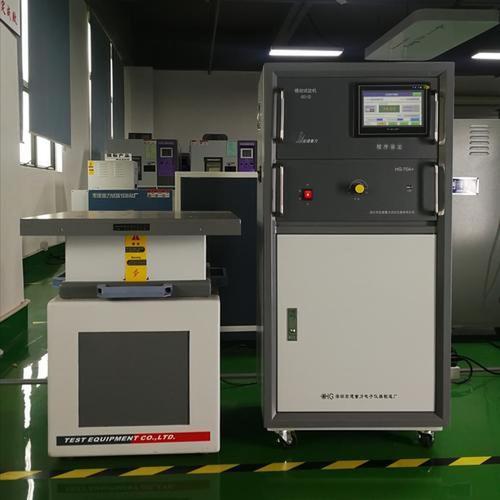
A spectrum analyzer is an essential RF test equipment used to measure the magnitude of an input signal versus frequency within the full frequency range of the instrument. It is primarily used to measure the power of the spectrum of known and unknown signals. Spectrum analyzers are widely used in the design, testing, and maintenance of radio frequency circuitry and equipment. They help identify signal distortions, interference, and other anomalies that could affect wireless communication performance. Modern spectrum analyzers come with advanced features like real-time analysis, high dynamic range, and wide frequency coverage, making them indispensable tools for RF engineers. When selecting a spectrum analyzer, consider factors such as frequency range, resolution bandwidth, and amplitude accuracy to ensure it meets your specific testing requirements.
2. signal generator
Signal generators are fundamental RF test equipment that produce electrical signals with set properties of amplitude, frequency, and wave shape. These devices are used to test, design, and repair electronic devices and components. RF signal generators specifically produce signals in the radio frequency spectrum, which is crucial for testing wireless communication equipment. They can simulate various signal conditions to test how devices perform under different scenarios. High-quality signal generators offer precise frequency control, low phase noise, and excellent signal purity. Some advanced models can generate complex modulated signals to test modern communication standards like 5G, WiFi 6, and Bluetooth. When choosing a signal generator, consider your application requirements, including frequency range, output power, modulation capabilities, and signal stability.
3. network analyzer
Network analyzers are sophisticated RF test equipment used to measure network parameters of electrical networks, particularly those associated with radio frequency and microwave circuits. They come in two main types: scalar network analyzers (SNAs) that measure amplitude properties only, and vector network analyzers (VNAs) that measure both amplitude and phase properties. These instruments are essential for characterizing components like filters, amplifiers, and antennas. Network analyzers help engineers understand how devices affect signal transmission and reception, enabling them to optimize performance. Modern network analyzers offer features like time-domain analysis, advanced calibration techniques, and high measurement speed. When selecting a network analyzer, consider factors such as frequency range, dynamic range, measurement accuracy, and the types of measurements you need to perform.
RF test equipment plays a vital role in today's wireless world, where reliable communication is essential. From spectrum analyzers that reveal signal characteristics to signal generators that create test conditions, and network analyzers that evaluate component performance, these tools form the backbone of RF engineering. Whether you're developing new wireless technologies, maintaining existing systems, or troubleshooting issues, having the right RF test equipment can make all the difference in achieving accurate results and optimal performance. Understanding the capabilities and applications of each type of equipment will help you select the right tools for your specific needs and ensure successful testing outcomes.
In conclusion, RF test equipment is indispensable for anyone working with wireless communication systems. The spectrum analyzer, signal generator, and network analyzer each serve unique purposes in testing and maintaining RF systems. By investing in quality equipment and understanding how to use it effectively, engineers can ensure reliable performance, identify potential issues, and maintain the highest standards in wireless communication technology.