RF Test Equipment: Essential Tools for Wireless Communication Testing_21
RF test equipment is crucial for evaluating and maintaining the performance of wireless communication systems. These tools help engineers measure signal strength, frequency, and other critical parameters to ensure optimal functionality.
Table of Contents
1. RF signal generator2. spectrum analyzer
3. network analyzer
4. RF power meter
1. RF signal generator
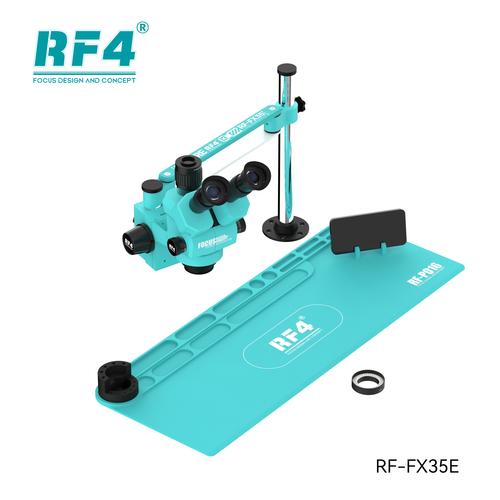
RF signal generators are essential tools for creating precise radio frequency signals used in testing wireless devices. These instruments can produce stable, accurate signals across a wide frequency range, making them indispensable for research, development, and production testing. Modern RF signal generators offer advanced features like modulation capabilities, high output power, and excellent spectral purity. When selecting an RF signal generator, consider factors such as frequency range, output power, phase noise, and modulation types supported. High-quality RF signal generators ensure reliable test results and help identify potential issues in wireless communication systems before they become critical problems.
2. Spectrum analyzer
Spectrum analyzers are powerful instruments used to measure the frequency spectrum of RF signals. These devices help engineers visualize signal characteristics, identify interference sources, and verify signal integrity. Modern spectrum analyzers come in various types, including swept-tuned, FFT-based, and real-time analyzers, each suited for specific applications. Key features to consider when choosing a spectrum analyzer include frequency range, resolution bandwidth, dynamic range, and measurement speed. Advanced models may offer vector signal analysis capabilities, making them versatile tools for both basic spectrum monitoring and complex signal analysis tasks in wireless communication systems.
3. Network analyzer
Network analyzers are specialized RF test instruments designed to measure the electrical performance of networks and components. These devices are particularly valuable for characterizing RF and microwave components like filters, amplifiers, and antennas. Network analyzers come in two main types: scalar network analyzers (SNAs) that measure amplitude properties only, and vector network analyzers (VNAs) that measure both amplitude and phase characteristics. When selecting a network analyzer, important specifications to consider include frequency range, dynamic range, measurement speed, and calibration capabilities. High-performance network analyzers provide accurate S-parameter measurements essential for designing and optimizing RF circuits and systems.
4. RF power meter
RF power meters are fundamental instruments for measuring the power levels of radio frequency signals. These devices play a critical role in ensuring proper signal strength and system performance across various applications, from broadcast transmitters to wireless communication systems. Modern RF power meters offer high accuracy, wide dynamic range, and fast measurement capabilities. Some advanced models can measure both average and peak power, making them suitable for analyzing complex modulated signals. When choosing an RF power meter, consider factors such as frequency range, power range, measurement accuracy, and sensor compatibility. Reliable power measurements are essential for system calibration, troubleshooting, and compliance testing in RF applications.
Understanding these essential RF test equipment types is crucial for anyone working with wireless communication systems. Whether you're testing signal quality with a spectrum analyzer, generating precise signals with an RF signal generator, characterizing components with a network analyzer, or measuring power levels with an RF power meter, having the right tools ensures accurate results and efficient troubleshooting. Each instrument serves specific purposes but together they provide comprehensive testing capabilities for modern RF systems. By selecting high-quality equipment that meets your specific requirements, you can significantly improve your testing processes and ensure reliable wireless communication performance.
In conclusion, RF test equipment forms the backbone of wireless communication testing and development. From basic signal generation to complex network analysis, these instruments provide the necessary measurements to ensure system performance and compliance with industry standards. Investing in quality RF test equipment not only improves testing accuracy but also enhances productivity and reduces time-to-market for wireless products. As wireless technologies continue to evolve, having reliable and advanced RF test solutions becomes increasingly important for maintaining competitive advantage in the telecommunications industry.