Rechargeable LED Face Mask Ultimate Guide 2024: How to Choose the Best Skincare Device_89
The Rising Demand for Rechargeable LED Face Masks
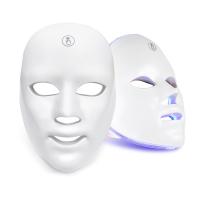
The global LED light therapy market is projected to reach $1.1 billion by 2027, growing at 15.3% CAGR according to Grand View Research. Rechargeable LED face masks have emerged as the most sought-after skincare device, offering professional-grade treatments at home. This comprehensive guide will help you navigate through technical specifications, safety standards, and purchasing considerations for these revolutionary devices.
Rechargeable LED Face Mask vs. Traditional Skincare Alternatives
| Feature | LED Mask | Chemical Peels | Microdermabrasion |
|---|---|---|---|
| Downtime | None | 3-7 days | 24 hours |
| Frequency | Daily use | Monthly | Bi-weekly |
| Side Effects | Minimal | Redness/peeling | Irritation |
7 Must-Check Features for Professional-Grade LED Masks
- Medical-grade LED bulbs (not cheap diodes)
- Multiple wavelength settings (minimum 3 colors)
- FDA-cleared or CE certified
- Rechargeable lithium battery (minimum 500mAh)
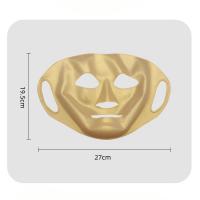
- Flexible silicone construction
- Automatic timer (15-30 minute sessions)
- Eye protection included
Technical Specifications Breakdown
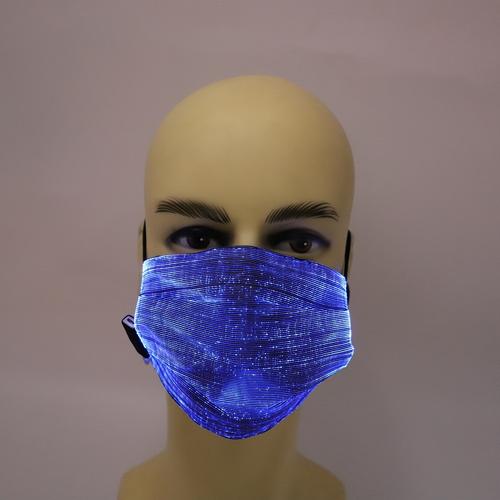
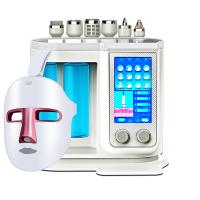
Modern LED masks utilize specific wavelengths: 633nm (red) for collagen production, 415nm (blue) for acne treatment, and 830nm (near-infrared) for deep tissue repair. Look for masks delivering 40-100mW/cm² irradiance for clinical effectiveness. The best devices feature medical-grade silicone that conforms to all facial contours.
Industry Trends and Regional Preferences
North America dominates 38% market share due to advanced skincare awareness, while Asia-Pacific shows fastest growth at 18.7% CAGR. New EU regulations now require MDR certification for all cosmetic light therapy devices. Environmentally conscious brands are adopting recyclable packaging and conflict-free mineral components.
Frequently Asked Questions
Q: Can I use LED masks with sensitive skin?
A: Yes, when starting with shorter sessions (5-10 minutes) and avoiding blue light if you have rosacea.
Q: What certifications should I verify?
A: FDA 510(k) clearance for US markets, CE Mark for Europe, and TGA approval for Australia.
Q: How to clear customs for international orders?
A: Ensure the product has proper labeling, voltage compatibility, and declaration as a low-risk cosmetic device.