Professional RF Machine Ultimate Guide 2024: How to Choose Quality RF Equipment for Medical Aesthetics_57
23/09/2025
0 Comments
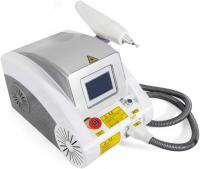
The global radio frequency aesthetic device market is projected to reach $1.2 billion by 2027, growing at a CAGR of 8.9% according to Market Research Future. This growth reflects increasing demand for non-invasive cosmetic procedures worldwide. Professional RF machines have revolutionized the aesthetic industry by offering effective skin tightening and collagen stimulation without surgical intervention. Many practitioners struggle with selecting the right equipment that balances performance, safety, and return on investment. This comprehensive guide will walk you through technical specifications, purchasing considerations, industry trends, and practical applications to help you make an informed decision. We'll cover equipment comparison, technical deep-dive, market analysis, and answer frequently asked questions. When comparing professional RF machines versus alternative technologies, several factors distinguish RF equipment. RF technology uses controlled thermal energy to stimulate collagen production, while alternatives like laser or ultrasound focus on different tissue layers. The treatment depth of RF machines typically ranges from 2-4mm, effectively targeting the dermal layer where collagen remodeling occurs. Modern professional RF machines incorporate multiple safety features including temperature monitoring, impedance control, and automatic shut-off mechanisms. These safeguards prevent tissue damage and ensure consistent results. Many manufacturers now include integrated cooling systems that protect the epidermis while delivering therapeutic heat to deeper tissues. A thorough equipment checklist should include seven critical features for professional RF machines. First, verify the device has multiple energy modalities such as mono-polar, multi-polar, and fractional RF options. Second, ensure it includes real-time temperature monitoring with accuracy within ±0.5°C. Third, check for adjustable frequency settings typically between 0.5-2MHz. Fourth, confirm the presence of impedance monitoring to ensure proper electrode contact. Fifth, evaluate the treatment handpiece ergonomics and applicator variety. Sixth, verify compliance with medical device regulations in your target market. Seventh, assess the training and technical support provided by the manufacturer. The technical specifications of professional RF machines determine their clinical efficacy. Frequency settings typically range from 0.5MHz to 2MHz, with lower frequencies penetrating deeper into tissue. Power output varies between 50-200 watts depending on the application, with higher power enabling faster treatment times. Treatment area size depends on the applicator design, with larger electrodes providing broader coverage but less focused energy delivery. Modern RF machines incorporate sophisticated impedance monitoring systems that measure tissue resistance in real-time. This technology ensures consistent energy delivery regardless of skin type or condition. The impedance range for effective RF treatment typically falls between 100-500 ohms, with automatic adjustment mechanisms maintaining optimal parameters throughout the procedure. Industry trends show increasing adoption of combination devices that integrate RF with other technologies like ultrasound, LED, or vacuum therapy. The European market demonstrates strong preference for multi-modal systems, while North American clinics often prioritize FDA-cleared standalone RF devices. Southeast Asian markets show growing demand for portable and cost-effective solutions suitable for smaller treatment spaces. Environmental considerations include energy efficiency standards and compliance with RoHS directives restricting hazardous substances. Many manufacturers now implement eco-friendly production processes and recyclable packaging materials. Professional RF machines must meet various international standards including IEC 60601-1 for medical electrical equipment safety. FAQ: Professional RF machines are suitable for various clinical settings including dermatology clinics, medical spas, and aesthetic centers. They effectively address skin laxity, wrinkle reduction, and body contouring concerns. Most professional RF machines require CE marking for European markets and FDA clearance for the United States. Medical device classification typically falls under Class II medical devices, requiring quality management system certification such as ISO 13485. Importing RF machines involves customs clearance procedures that vary by country. Generally, importers need to provide certificate of origin, commercial invoice, packing list, and medical device registration documents. Some countries require additional testing or certification from local regulatory authorities. Proper documentation ensures smooth customs processing and avoids delivery delays. The technology continues to evolve with recent advancements including AI-assisted treatment parameter selection and cloud-based patient data management systems. These innovations improve treatment consistency and enable practitioners to track patient outcomes more effectively. When evaluating professional RF machines, consider both immediate clinical needs and long-term practice growth objectives. The right equipment should offer scalability through upgradable software and modular handpiece systems. This approach maximizes return on investment while ensuring access to the latest technological developments in the rapidly evolving field of aesthetic medicine.