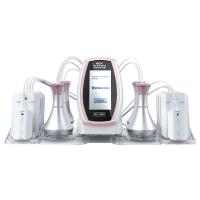
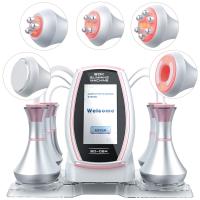
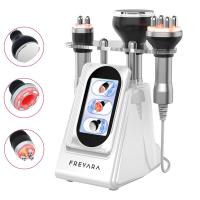
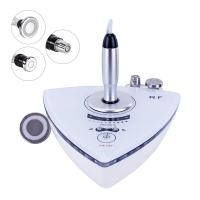
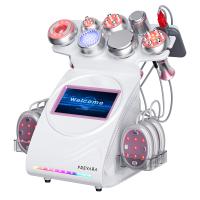
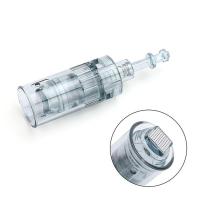
Professional Radiofrequency Machine Buyer's Guide 2024: How to Choose the Best RF Device_54
The Ultimate Guide to Professional Radiofrequency Machines in 2024
The global radiofrequency (RF) device market is projected to reach $12.8 billion by 2027, growing at 12.4% CAGR according to Grand View Research. As demand surges across medical aesthetics and therapeutic applications, buyers face critical challenges: identifying genuine medical-grade equipment versus cosmetic devices, understanding evolving safety protocols, and navigating complex technical specifications. This comprehensive guide will walk you through essential purchasing considerations, technical breakdowns, industry trends, and practical FAQs to make informed decisions.
RF Machine Purchasing Guide: Key Considerations
When investing in professional radiofrequency equipment, these 7 features are non-negotiable:
- FDA/CE certification for intended use (medical vs cosmetic)
- Adjustable frequency range (typically 0.3-10 MHz)
- Temperature monitoring system
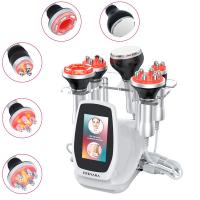
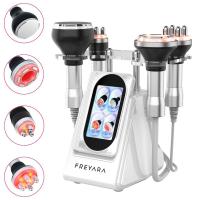
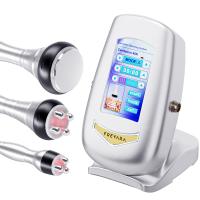
- Multi-application handpieces
- Dual cooling mechanisms
- Clinical efficacy data
- Manufacturer training support
| Feature | Medical-Grade RF | Cosmetic RF |
|---|---|---|
| Frequency Range | 0.5-8 MHz | 0.3-3 MHz |
| Depth Penetration | Up to 15mm | 3-8mm |
| Certification | Class II Medical Device | Beauty Apparatus |
Technical Specifications Decoded
Understanding RF machine specifications ensures proper clinical applications:

Frequency output determines treatment depth - higher frequencies (4-8MHz) target superficial layers for skin tightening, while lower frequencies (0.5-1MHz) reach deeper tissues for cellulite reduction. Modern systems feature intelligent impedance matching that automatically adjusts energy delivery based on tissue resistance.
Industry Trends and Regional Demand
North America dominates the RF device market (38% share) due to advanced healthcare infrastructure and high cosmetic procedure demand. The Asia-Pacific region shows fastest growth (14.2% CAGR) with increasing medical tourism. New IEC 60601-2-10 standards require enhanced patient protection circuits in all medical RF devices manufactured after Q3 2024.
Frequently Asked Questions
Q: Can professional RF machines treat all skin types?
A: Modern systems with adjustable parameters can safely treat Fitzpatrick skin types I-VI when proper protocols are followed.
Q: What certifications should authentic medical RF devices have?
A: Look for FDA 510(k) clearance, CE Mark (Class IIa or higher), and ISO 13485 manufacturing certification.
Q: How does customs clearance work for RF equipment?
A: Medical devices require import permits, certificate of origin, and may need local health authority approval depending on destination country.