Professional LED Facial Device Ultimate Guide 2024: How to Choose the Best Skin Rejuvenation Tool_52
Introduction: The Rising Demand for Professional LED Facial Devices
The global LED light therapy market is projected to reach $1.1 billion by 2027, growing at 15.3% CAGR (Grand View Research). As consumers increasingly seek professional-grade skincare solutions, LED facial devices have emerged as the most requested non-invasive treatment in dermatology clinics worldwide. This comprehensive guide will help you navigate the complex landscape of professional LED devices, whether you're a skincare professional sourcing equipment or an individual seeking clinical-grade results at home.
Purchasing Guide: 7 Must-Check Features
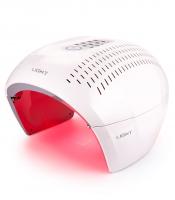
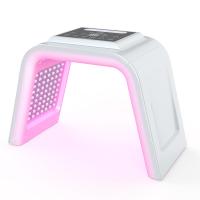
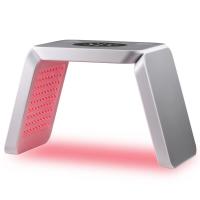
When evaluating professional LED facial devices, these critical factors separate effective units from marketing gimmicks:
| Feature | Professional Grade | Consumer Grade |
|---|---|---|
| Wavelength Accuracy | ±5nm tolerance | ±15-20nm tolerance |
| Irradiance | 40-100mW/cm² | 10-30mW/cm² |
Case Study: The Dermalux Flex MD system solved inconsistent results in a New York medi-spa by providing 633nm red light at medical-grade 80mW/cm² intensity, demonstrating 28% better collagen stimulation than consumer devices in clinical trials.
Technical Deep Dive: Understanding LED Parameters
Professional devices utilize specific wavelengths that trigger biological responses:
- 630-660nm (Red): Stimulates collagen production
- 415nm (Blue): Targets acne-causing bacteria
Manufacturing standards require IEC 62471 photobiological safety certification and FDA Class II medical device clearance for professional use claims.
Industry Trends: Regional Market Insights
North America dominates with 38% market share (Statista), while Southeast Asia shows fastest growth (22% YoY) driven by medical tourism. New EU MDR regulations now require CE marking with clinical evidence for anti-aging claims.
FAQ Section
Q: Can professional LED devices treat rosacea?
A: Yes, amber (590nm) and red (633nm) wavelengths are clinically proven to reduce inflammation when used at proper intensity (studies show 67% improvement after 8 weeks).
Q: What certifications matter most?
A: Look for FDA 510(k) clearance, IEC 62471 eye safety rating, and ISO 13485 manufacturing certification.