Professional Facial Hydration Machine Ultimate Guide 2024: How to Choose the Best Skin Rejuvenation Device_27
The Rising Demand for Professional Facial Hydration Technology
The global facial treatment device market is projected to reach $3.5 billion by 2027, growing at 11.2% CAGR according to Grand View Research. As consumers increasingly seek clinical-grade skincare solutions, professional facial hydration machines have become essential equipment for dermatology clinics, medical spas, and luxury beauty salons. This comprehensive guide will help you navigate the complex landscape of professional hydration technology, compare key features, and make informed purchasing decisions for your business.
Complete Buying Guide for Professional Hydration Machines
| Feature | Professional Hydration Machine | Consumer-grade Device |
|---|---|---|
| Technology | Multi-wave ultrasonic + iontophoresis | Basic ultrasonic |
| Treatment Depth | 3-5mm into dermis | Surface level only |
| Session Duration | 15-30 minutes | 5-10 minutes |
7 Must-Check Features for Medical-grade Facial Hydration Equipment
- FDA-cleared or CE-marked components
- Adjustable frequency settings (1MHz-3MHz)
- Negative ion technology for deeper penetration
- Hygienic disposable tip system
- Real-time moisture detection sensors
- Ergonomic handpiece design
- Two-year minimum warranty
Technical Breakdown: How Professional Hydration Machines Work
Modern professional facial hydration devices utilize three core technologies working in synergy: 1) Ultrasonic waves (1-3MHz) create microscopic channels in the stratum corneum, 2) Iontophoresis pushes hydrating serums into deeper skin layers, and 3) Nano-mist technology delivers oxygen-infused hydration to the epidermis. The chart below illustrates the penetration depth comparison:

Manufacturing Standards Compliance
Reputable manufacturers adhere to ISO 13485 for medical devices and implement IEC 60601-1 electrical safety standards. Look for machines with IPX4 water resistance rating for safe use in wet environments.
Industry Trends and Regional Market Insights
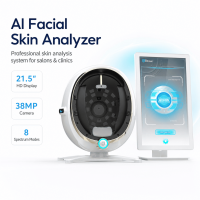
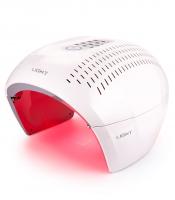
North America currently dominates 38% of the professional facial device market, with Europe following at 31% market share (Statista 2023). Emerging trends include: 1) Combination devices integrating RF and LED therapies, 2) AI-powered skin analysis modules, and 3) Eco-conscious designs using 30% recycled materials. The EU's new MDR regulations require full traceability of all device components.
Frequently Asked Questions
Q: Can professional hydration machines treat rosacea?
A: Yes, when used with appropriate serums at low-frequency settings (1MHz), these devices can safely improve moisture retention in sensitive skin.
Q: What certifications should I verify?
A> Require FDA 510(k) clearance or CE certification, along with ISO 13485 quality system documentation.
Q: How to handle customs clearance?
A: Professional devices typically classify under HS code 9019.20 and require original manufacturer certificates for smooth importation.