Professional Facial Hydration Machine Ultimate Guide 2024: How to Choose the Best Skin Rejuvenation Device_26
The Complete Guide to Professional Facial Hydration Machines in 2024
The global facial treatment device market is projected to reach $12.5 billion by 2027, with hydration machines leading growth at 8.2% CAGR (Statista 2023). As skincare professionals face increasing demand for non-invasive treatments, selecting the right facial hydration equipment becomes critical for delivering visible results while maintaining treatment efficiency.
1. The Buyer's Guide to Facial Hydration Systems
When investing in professional equipment, these 7 features separate premium devices from basic models:
- Multi-stage hydration technology (iontophoresis + nano-mist)
- Medical-grade stainless steel components
- Adjustable particle size (50-300nm range)
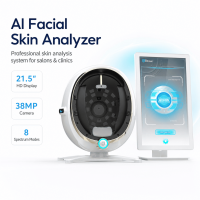
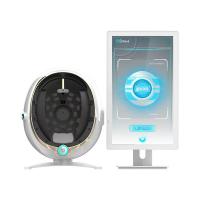
- Built-in skin analysis sensors
- FDA/Cleared compliance documentation
- Ergonomic handpiece design
- 2-year minimum warranty
Comparison: Salon Equipment vs Home Devices
| Feature | Professional Grade | Consumer Grade |
|---|---|---|
| Output Power | 120W+ | 60W max |
| Treatment Depth | 3-5mm | 1-2mm |
| Session Capacity | 8-10 daily | 1-2 weekly |
2. Technology Breakdown
Modern hydration machines utilize three core technologies:

- Electroporation opens temporary channels in stratum corneum
- Nebulization creates 80nm water particles for deep penetration
- Iontophoresis drives active ingredients using low-current
3. 2024 Market Trends
European spas now require CE-marked devices with energy efficiency Class A ratings, while US dermatology clinics prioritize FDA-cleared equipment with HIPAA-compliant patient data systems.
4. Frequently Asked Questions
Q: Can hydration machines treat rosacea?
A: Yes, when using machines with temperature control below 38°C and anti-inflammatory serum options.
Q: What certifications are mandatory?
A: FDA 510(k) for US, CE for EU, and KC for South Korea.