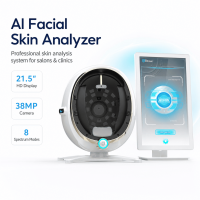
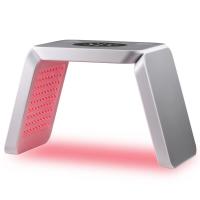
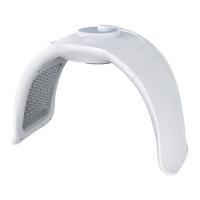
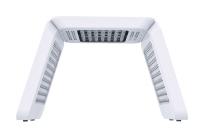
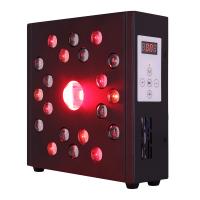
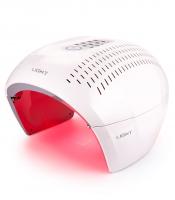
Professional Beauty Device Ultimate Guide 2024: How to Choose Premium Skincare Equipment_60
The Complete Guide to Professional Beauty Devices in 2024
The global professional beauty device market is projected to reach $9.5 billion by 2027, growing at 12.3% CAGR according to Grand View Research. As demand for non-invasive treatments surges, both salon owners and home users face critical decisions when investing in these advanced technologies. This comprehensive guide will walk you through everything from technical specifications to emerging trends, helping you make informed purchasing decisions.
Professional Beauty Device Buying Guide
When comparing professional beauty devices to consumer-grade alternatives, several key differences emerge:
| Feature | Professional Devices | Consumer Devices |
|---|---|---|
| Power Output | 3-10x stronger | Limited for safety |
| Treatment Depth | Dermal layer reach | Surface-level only |
| Durability | 10,000+ hours | 500-1,000 hours |
7 Must-Check Features for Medical Grade Beauty Machines
- FDA/CE certification documentation
- Adjustable energy levels (5+ settings)
- Multiple treatment handpieces
- Thermal safety sensors
- Clinical trial results
- Warranty coverage (minimum 2 years)
- Compatible consumables availability
Technical Deep Dive: How Professional Devices Work
Modern professional beauty equipment typically combines multiple technologies:

Radio Frequency (RF) systems generate heat at 1-2MHz frequencies to stimulate collagen. Optimal parameters show 40-60°C at 3mm depth creates optimal remodeling without epidermal damage. Leading manufacturers like Lumenis and Cynosure use impedance monitoring to automatically adjust energy delivery.
2024 Industry Trends and Regional Demand
The North American market currently dominates with 38% revenue share (Statista 2023), though APAC shows fastest growth at 18% annually. Key developments include:
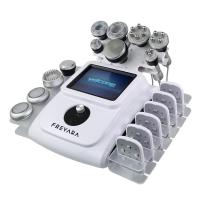
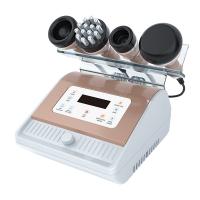
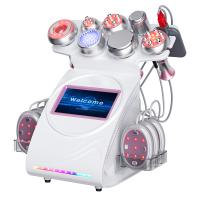
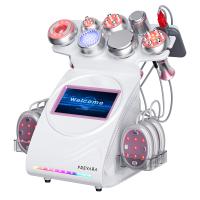
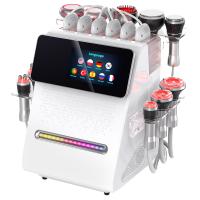
- Multi-modality platforms combining RF, ultrasound, and LED
- Portable professional devices for mobile practitioners
- Stricter EU MDR compliance requirements
Frequently Asked Questions
Q: Can professional beauty devices treat all skin types?
A: Most modern devices feature adjustable settings for Fitzpatrick I-VI skin types, though darker tones require special precautions with certain wavelengths.
Q: What certifications should I verify?
A: Look for FDA 510(k) clearance, CE Class IIa/IIb markings, and ISO 13485 manufacturing certification.
Q: How to handle customs clearance?
A: Professional devices typically require HS code 9018.90 and may need local medical device registration in some markets.