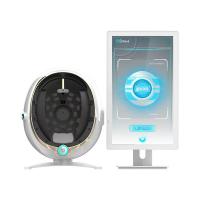
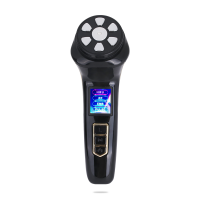
Portable Skin Analysis Machine Ultimate Guide 2024: How to Choose the Best Device for Accurate Results_90
The Complete Guide to Portable Skin Analysis Machines in 2024
The global skin analysis devices market is projected to reach $1.2 billion by 2027, growing at 8.3% CAGR according to Grand View Research. As consumers become more skincare-conscious, portable skin analysis machines are revolutionizing at-home and professional diagnostics. This guide will help you navigate the complex landscape of these devices, from technical specifications to purchasing considerations.
Portable Skin Analysis Machine Buying Guide
| Feature | Professional Models | Consumer Models |
|---|---|---|
| Accuracy | ±2% | ±5-8% |
| Sensors | Multi-spectral (5-8) | Basic (2-3) |
7 Must-Check Features for Clinical-Grade Skin Analyzers
- FDA/CE medical device certification
- Minimum 5-point skin parameter analysis
- Cloud-based data tracking
Technical Deep Dive: How Portable Skin Analyzers Work
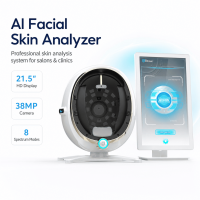
Modern devices use RBX technology (Red-Blue-X) to measure:
- Skin moisture levels (0-100%)
- Sebum production (μg/cm²)
- Pore size (μm)
Industry Trends and Regional Demand
North America dominates 38% market share (Statista 2023), while APAC shows fastest growth at 11.2% CAGR. New EU regulations require MDR certification for all medical-grade devices.
Frequently Asked Questions
Q: Can portable analyzers detect skin cancer?
A: No, these devices measure surface-level parameters only. Always consult a dermatologist for medical diagnoses.