Microneedling for Acne Scars: The Ultimate Guide to Smoother Skin_70
Microneedling for Acne Scars: The Ultimate Guide to Smoother Skin

Introduction
Acne scars can be a persistent reminder of past skin troubles, affecting confidence and self-esteem. Microneedling for acne scars has emerged as a revolutionary treatment, offering hope for smoother, clearer skin. This minimally invasive procedure stimulates collagen production, helping to reduce the appearance of scars and improve skin texture. In this comprehensive guide, we’ll explore everything you need to know about microneedling for acne scars, from its benefits to the best practices for optimal results.
What Is Microneedling for Acne Scars?
Microneedling, also known as collagen induction therapy, involves using fine needles to create tiny punctures in the skin. These micro-injuries trigger the body’s natural healing process, promoting collagen and elastin production. For acne scars, microneedling helps to break down scar tissue and encourage the growth of new, healthy skin cells. This treatment is suitable for various types of acne scars, including rolling, boxcar, and icepick scars.
Benefits of Microneedling for Acne Scars
Microneedling offers numerous benefits for those struggling with acne scars. Firstly, it improves skin texture by reducing the depth and visibility of scars. Secondly, it enhances skin tone and elasticity, giving you a more youthful appearance. Additionally, microneedling is a safe and effective treatment for all skin types, with minimal downtime. Unlike more invasive procedures, microneedling carries a lower risk of side effects, making it a popular choice for skin rejuvenation.
How Microneedling Works for Acne Scars
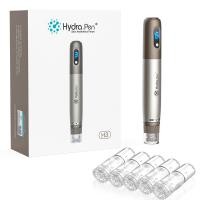
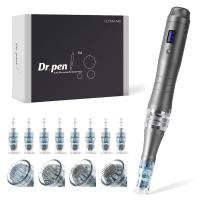
The process of microneedling for acne scars begins with a consultation to assess your skin’s condition. A dermatologist or trained professional will use a derma roller or pen to create controlled micro-injuries. These tiny wounds stimulate the skin’s repair mechanisms, leading to the production of new collagen and elastin. Over time, this results in smoother, more even skin. Multiple sessions may be required for significant improvement, depending on the severity of your scars.
Choosing the Right Microneedling Products
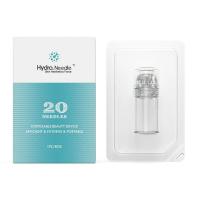
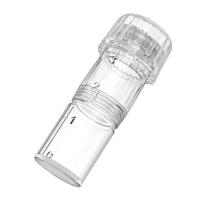
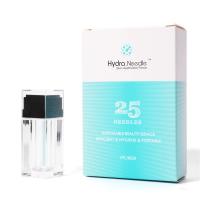
When considering microneedling for acne scars, it’s essential to use high-quality products. Look for derma rollers with fine, medical-grade needles and sterile packaging. Serums containing hyaluronic acid, vitamin C, and peptides can enhance the results by promoting hydration and healing. Always follow post-treatment care instructions to avoid irritation and maximize benefits.
FAQs About Microneedling for Acne Scars
1. Is microneedling painful?
Most patients describe the sensation as mild discomfort, similar to light sandpaper. Topical numbing creams can be used to minimize any pain.
2. How many sessions are needed?
Typically, 3-6 sessions spaced 4-6 weeks apart are recommended for noticeable results.
3. Can microneedling be done at home?
While at-home derma rollers are available, professional treatments yield better and safer results.
4. Are there any side effects?
Temporary redness and slight swelling are common but subside within a few days.
5. Who should avoid microneedling?
Individuals with active acne, infections, or certain skin conditions should consult a dermatologist first.
Conclusion
Microneedling for acne scars is a proven method to achieve smoother, healthier skin. By understanding the process, benefits, and aftercare, you can make an informed decision about this treatment. Ready to transform your skin? Explore our range of professional microneedling products and start your journey to flawless skin today.