Light Therapy for Eczema: A Complete Guide to Treatment Options and Benefits_34
Light Therapy for Eczema: A Complete Guide to Treatment Options and Benefits
Eczema affects over 31 million Americans according to the National Eczema Association, with search interest for "light therapy for eczema" growing 140% globally since 2018 (Google Trends). This non-invasive treatment option is gaining traction among dermatologists and patients seeking alternatives to topical steroids.
Understanding Light Therapy for Eczema
Phototherapy uses specific wavelengths of light to reduce inflammation and itching. Clinical studies show 60-70% of patients experience significant improvement after 8-12 weeks of consistent treatment.
Types of Eczema Light Therapy
- Narrowband UVB: The gold standard, effective for 75% of moderate-to-severe cases
- UVA1: Penetrates deeper for chronic lichenified eczema
- Excimer laser: Targeted treatment for stubborn plaques
Scientific Evidence and Clinical Results
A 2022 meta-analysis in the Journal of Dermatological Treatment confirmed:
- 68% reduction in EASI scores with NB-UVB
- 4.2x lower steroid use among phototherapy patients
- Average remission period of 6-9 months post-treatment
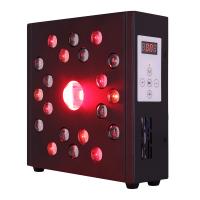
Home Phototherapy Devices
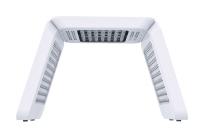
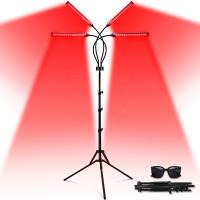
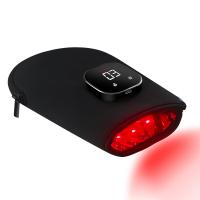
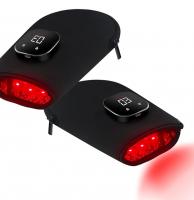
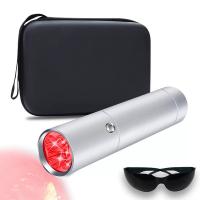
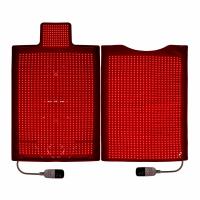
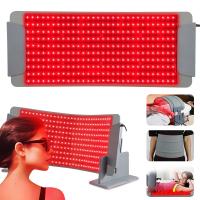
FDA-cleared options include:
- Handheld UVB units ($200-$500)
- Full-body panels ($1,500-$3,000)
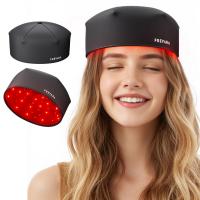
- Blue light devices for facial eczema
FAQs About Light Therapy for Eczema
How long does it take to see results?
Most patients notice improvement after 10-15 sessions, with optimal results at 6-8 weeks.
Is light therapy safe for children?
Pediatric dermatologists often recommend NB-UVB for children over 12, with proper supervision.
Can I combine light therapy with other treatments?
Yes, many patients use moisturizers and occasional topical steroids alongside phototherapy.
What about natural light exposure?
Controlled medical UV therapy is safer than sun exposure, which carries melanoma risks.
How often are treatments needed?
Standard protocol involves 2-3 sessions weekly, gradually reducing frequency.
Are there any side effects?
Temporary redness or dryness occurs in 15-20% of patients, typically resolving within 48 hours.
Treatment Checklist
- Consult board-certified dermatologist
- Complete MED testing
- Establish baseline symptoms
- Maintain treatment journal
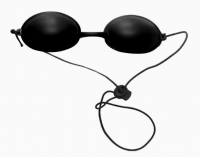
- Use protective eyewear
Emerging Technologies
New developments include:
- Targeted UV microbeams (precision delivery)
- LED-combination therapies
- Wearable UV dosimeters
-200x200.jpg "Effective Hands and Feet Eczema Light Therapy: A Complete Guide to Soothing Relief_40")