LED heat sink size guide: LED heat sink calculator_1
An LED heat sink calculator is an essential tool for determining the appropriate size and type of heat sink required to maintain optimal LED performance and longevity. By calculating thermal resistance and heat dissipation needs, this tool helps prevent overheating and ensures efficient operation.
1、how to calculate LED heat sink size2、best material for LED heat sink
3、thermal resistance calculator for LED
1、how to calculate LED heat sink size
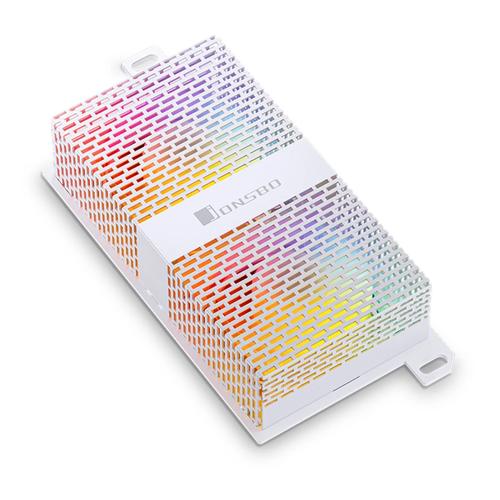
Calculating the correct LED heat sink size involves understanding several key factors. First, you need to determine the total heat generated by your LED module, typically measured in watts. Next, consider the ambient temperature where the LED will operate. The heat sink's thermal resistance, measured in °C/W, indicates how effectively it can dissipate heat. A lower thermal resistance means better performance. Use the formula: (TJ - TA) / (θJC + θCS + θSA) ≤ PD, where TJ is the junction temperature, TA is ambient temperature, θJC is junction-to-case thermal resistance, θCS is case-to-sink thermal resistance, and θSA is sink-to-ambient thermal resistance. Online calculators simplify this process by automating these calculations based on your input parameters. Proper sizing ensures your LEDs maintain optimal brightness and lifespan while preventing thermal runaway.
2、best material for LED heat sink
The choice of material significantly impacts an LED heat sink's performance. Aluminum is the most popular due to its excellent thermal conductivity (about 200 W/mK), lightweight nature, and cost-effectiveness. Aluminum alloys like 6063 offer good balance between thermal performance and machinability. Copper provides even better thermal conductivity (385 W/mK) but is heavier and more expensive. For high-power applications, copper-aluminum combinations are sometimes used. Ceramic materials offer electrical insulation but have lower conductivity. Newer materials like graphene-enhanced composites show promise for future applications. The material selection should consider thermal requirements, weight constraints, environmental factors, and budget. Surface treatment options like anodizing can improve both thermal performance and corrosion resistance.
3、thermal resistance calculator for LED
Thermal resistance is a critical parameter in LED heat sink selection, representing how effectively heat transfers from the LED junction to the environment. A thermal resistance calculator helps determine this value by considering multiple factors: the LED package's junction-to-case resistance (θJC), any thermal interface material's resistance (θCS), and the heat sink's resistance (θSA). The total thermal resistance (θJA) is the sum of these components. Lower θJA values indicate better heat dissipation capability. When using a calculator, you'll typically input the LED's power dissipation, maximum junction temperature (usually 120-150°C for LEDs), and ambient temperature. The calculator then determines the required thermal resistance for your heat sink. This helps select an appropriately sized heat sink or determine if additional cooling methods (like fans) are needed for your specific application.
Understanding LED heat management is crucial for any lighting project. Whether you're calculating the perfect heat sink size, selecting optimal materials, or determining thermal resistance requirements, each aspect contributes to your LED system's performance and longevity. The right calculations prevent premature failure and maintain brightness consistency. As LED technology advances with higher power densities, proper thermal management becomes even more critical. Our comprehensive guide covers all essential aspects to help you make informed decisions for your specific application needs.
In conclusion, using an LED heat sink calculator properly ensures your lighting projects achieve optimal thermal performance. By understanding heat sink sizing, material selection, and thermal resistance calculations, you can significantly extend LED lifespan and maintain consistent light output. Always consider your specific application requirements when making these critical design decisions.