How to Buy Ultrasound Machines: The Ultimate Guide for Medical Professionals_16
How to Buy Ultrasound Machines: The Ultimate Guide for Medical Professionals
Ultrasound machines have become indispensable tools in modern healthcare, offering non-invasive diagnostic capabilities across various medical specialties. For hospitals, clinics, and private practices looking to buy ultrasound machines, the purchasing process involves careful consideration of technical specifications, regulatory compliance, and supplier reliability.
Understanding Ultrasound Machine Specifications
When you buy ultrasound machines, understanding the technical specifications is crucial for making an informed decision. Key parameters include:
- Transducer frequency range (typically 2-18 MHz)
- Number of channels (16-512 for advanced systems)
- Display resolution (minimum 1280×1024 pixels)
- Doppler capabilities (color, power, spectral)
The global ultrasound market is projected to reach $10.3 billion by 2027 (Grand View Research), with portable systems showing the fastest growth at 6.8% CAGR.
Types of Ultrasound Machines Comparison
| Type | Advantages | Disadvantages |
|---|---|---|
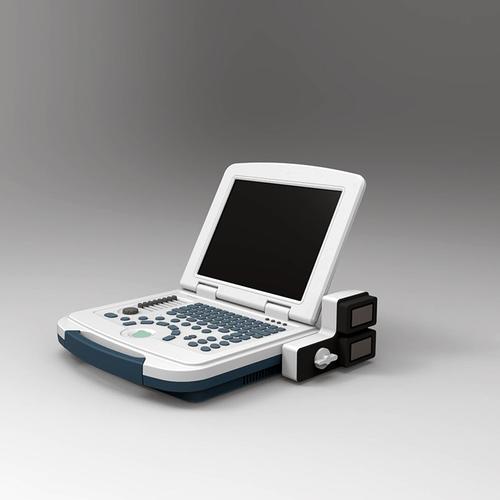
| Portable | Lightweight, battery-operated, lower cost | Limited features, smaller display |
| Cart-based | Full-featured, better image quality | Higher price, less mobile |
| 3D/4D | Advanced imaging capabilities | Significantly higher cost |
Key Certifications for Quality Assurance
When you buy ultrasound machines internationally, verify these essential certifications:
- CE Marking (Medical Device Directive 93/42/EEC)
- FDA 510(k) clearance
- ISO 13485:2016
- IEC 60601-1 (Electrical safety)
Supplier Evaluation Checklist
Use this checklist when evaluating ultrasound machine suppliers:
- Minimum 5 years manufacturing experience
- Documented quality control processes
- After-sales service network
- Reference checks with existing clients
Emerging Market Opportunities
In Southeast Asia, ultrasound adoption is growing at 9.2% annually. A case study from Indonesia shows how a 200-bed hospital reduced diagnostic wait times by 40% after implementing portable ultrasound systems.
FAQ Section
What negotiation tactics work best when buying ultrasound machines?
Consider volume discounts, request package deals with training, and compare multiple quotes. Payment terms often offer more flexibility than price reductions.
What are typical MOQs for ultrasound machines?
Standard models often have MOQs of 3-5 units, while customized systems may require 10+ units. Some suppliers offer sample orders for testing.
Can I get customized ultrasound machines?
Many manufacturers offer customization options including software configurations, transducer selections, and branding. Lead times typically increase by 2-4 weeks for customized orders.
Do suppliers handle international shipping?
Reputable suppliers typically arrange door-to-door shipping with proper medical device documentation. Confirm who handles customs clearance and associated costs.
What warranty periods are standard?
Look for minimum 2-year warranties on hardware and 1-year on transducers. Some premium suppliers offer 3-5 year extended warranties.
What payment terms are safest?
30% deposit with 70% balance before shipment is common. For new suppliers, consider using escrow services or letters of credit.
Ready to buy ultrasound machines for your facility? Download our comprehensive buyer's guide with detailed technical comparison charts and supplier evaluation templates.