The Ultimate Guide to Handheld Ultrasound Machines for Medical Professionals_67
The Ultimate Guide to Handheld Ultrasound Machines for Medical Professionals
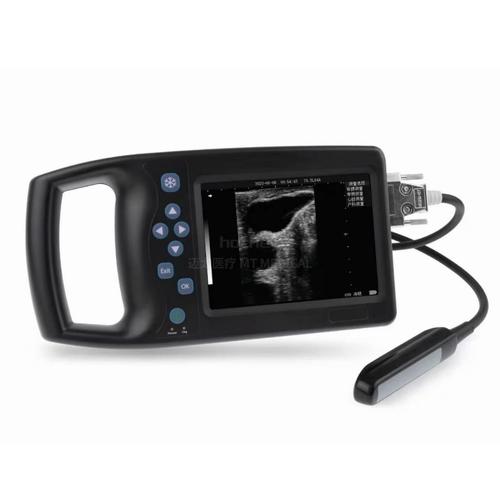
Handheld ultrasound machines have transformed modern healthcare by bringing diagnostic capabilities to the point of care. These compact devices address critical challenges in emergency medicine, rural healthcare, and mobile clinics where traditional bulky systems prove impractical. This comprehensive guide examines technical specifications, cost-benefit analysis, and procurement strategies for international buyers.
What is a Handheld Ultrasound Machine?
Modern handheld ultrasound devices typically feature:
- Weight under 2kg with probe integration
- Battery life exceeding 3 hours continuous use
- IP67 waterproof rating for clinical sterilization
- DICOM 3.0 compatibility for hospital system integration
Technical Comparison: Handheld vs Traditional Systems
| Feature | Handheld | Cart-Based |
|---|---|---|
| Portability | ★★★★★ | ★☆☆☆☆ |
| Image Resolution | ★★★☆☆ | ★★★★★ |
| Examination Types | Basic to Intermediate | Advanced |
Key Advantages for Medical Facilities
- Cost Efficiency: 60-80% lower upfront cost than traditional systems
- Operational Flexibility: Enables bedside diagnostics in under 5 minutes
- Training Simplicity: Intuitive interfaces reduce specialist dependency
Global Market Insights
The portable ultrasound market will reach $3.2 billion by 2027 (Grand View Research). Emerging economies show particular demand growth:
- Southeast Asia: 14.7% CAGR
- Latin America: 12.3% CAGR
- Africa: 18.2% CAGR
Certification Requirements
Reputable manufacturers should provide:
- FDA 510(k) clearance
- CE Mark (Class IIa or higher)
- ISO 13485:2016 certification
- RoHS compliance
Supplier Evaluation Checklist
When sourcing internationally:
- Verify minimum 3 years production experience
- Request third-party quality audit reports
- Confirm after-sales service network coverage
- Evaluate component sourcing transparency
Case Study: Rural Clinic Implementation
A Kenyan medical network deployed 37 units across mobile clinics:
- Reduced patient referral rates by 62%
- Cut diagnostic wait times from 14 days to 24 hours
- Achieved ROI within 8 months
FAQ Section
What negotiation strategies work best?
Consider volume discounts for orders above 20 units, or bundle training packages.
What are typical MOQ requirements?
Most manufacturers require 5-10 units for standard configurations.
Can probes be customized?
Many suppliers offer convex/linear/phased array probe options.
How is customs clearance handled?
Reputable suppliers provide HS code classification assistance.
What warranty terms apply?
Look for minimum 2-year coverage on core components.
What payment methods are secure?
30% deposit with 70% balance against BL copy is standard.
Ready to explore handheld ultrasound solutions? Download our 2024 Buyer's Comparison Guide featuring technical specifications from 12 leading manufacturers.