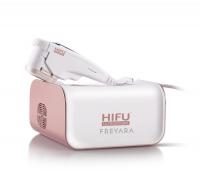
HIFU Ultrasound Machine Ultimate Guide 2024: How to Choose the Best Non-Invasive Treatment Device_29
Introduction: The Rising Demand for HIFU Technology
The global HIFU market is projected to reach $1.2 billion by 2027, growing at 7.8% CAGR according to Grand View Research. As consumers increasingly seek non-surgical alternatives to cosmetic procedures, HIFU (High-Intensity Focused Ultrasound) machines have emerged as the gold standard for non-invasive skin tightening and lifting. This comprehensive guide will walk you through everything from technical specifications to regional compliance requirements, helping you make informed purchasing decisions whether you're a clinic owner or aesthetic practitioner.
HIFU Machine Buying Guide: 7 Critical Factors
When evaluating HIFU ultrasound machines, consider these essential elements:
| Feature | Professional Grade | Home Use |
|---|---|---|
| Depth Penetration | 4.5mm-13mm | 1.5mm-3mm |
| Energy Output | 50-200 Joules | 5-20 Joules |
7 Must-Check Features for Medical Grade HIFU Machines
- FDA/CE/MDR certification
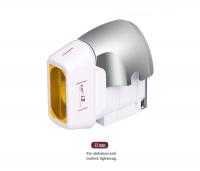
- Adjustable depth cartridges
- Real-time temperature monitoring
Technical Deep Dive: How HIFU Works
Modern HIFU devices deliver focused ultrasound energy at specific depths:

The ultrasound waves create controlled thermal injury points at the SMAS layer (typically 4.5mm depth for facial treatments), stimulating collagen production without damaging surface tissue.
Industry Trends: Regional Market Analysis
North America dominates 38% of the HIFU market share due to advanced adoption in medical spas. Meanwhile, Southeast Asia shows the fastest growth (12.3% CAGR) driven by medical tourism. New EU MDR regulations now require stricter clinical documentation for Class IIb devices.
FAQ: Common HIFU Machine Questions
Q: Can HIFU treat double chins?
A: Yes, when using 2-3mm depth cartridges specifically designed for submental fat reduction.
Q: What certifications are mandatory?
A: FDA 510(k) for US markets, CE MDR for Europe, and KFDA for South Korea.