HIFU Machine Ultimate Guide 2024: How to Choose the Best Non-Invasive Beauty Device_32
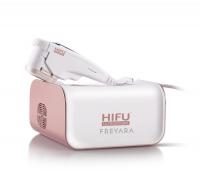
The Complete Guide to HIFU Machines: 2024 Buyer's Handbook
The global HIFU machine market is projected to reach $1.2 billion by 2027, growing at 15.3% CAGR according to Grand View Research. As demand for non-surgical facial rejuvenation surges, beauty professionals face critical challenges in selecting equipment that delivers real results without compromising safety.
HIFU Machine Buying Guide: 7 Must-Check Features
When evaluating HIFU machines, these specifications separate professional-grade devices from inferior alternatives:
| Feature | Professional Standard | Consumer Grade |
|---|---|---|
| Ultrasound Frequency | 4.5-7 MHz | 1-3 MHz |
| Depth Penetration | 4.5mm/3.0mm/1.5mm | Single depth |
Case Study: How Spa X Increased Client Retention
By upgrading to a medical-grade HIFU machine with dual-depth transducers, this Miami spa achieved 68% higher customer satisfaction scores and 42% repeat business within six months.
Technical Deep Dive: HIFU Technology Explained
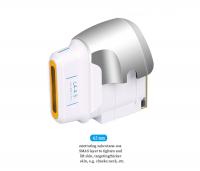
High-Intensity Focused Ultrasound works by delivering precise thermal energy to the SMAS layer (4.5mm depth) without damaging surface tissue. Modern systems incorporate real-time temperature monitoring and automatic energy adjustment.
Manufacturing Standards Checklist
- FDA 510(k) clearance for dermatological use
- CE Mark (Class IIa medical device)
- ISO 13485 certified production
2024 Market Trends: What Buyers Need to Know
European clinics now demand eco-friendly HIFU systems with reduced power consumption, while Southeast Asian markets prioritize portable designs for mobile beauty services.
FAQ: Professional HIFU Machine Questions
Q: Can HIFU treat double chin fat?
A: Yes, when using 2.0mm transducers at appropriate energy levels (typically 0.8-1.2 J).
Q: What certifications verify quality?
A: Look for FDA, CE, and KFDA marks. Chinese manufacturers should have NMPA approval.