Hands and Feet Phototherapy Ultimate Guide 2024: How to Choose Quality Light Therapy Devices_2
Introduction: The Growing Demand for Extremity Phototherapy
The global phototherapy equipment market is projected to reach $1.2 billion by 2027, with extremity-specific devices accounting for 35% of growth (Statista, 2023). Chronic conditions like psoriasis, eczema, and arthritis are driving demand for targeted hands and feet phototherapy solutions. This comprehensive guide will help you navigate the complex landscape of therapeutic light devices, compare treatment modalities, and make informed purchasing decisions for clinical or home use.
Key Pain Points Addressed
- Inconsistent treatment coverage in conventional full-body devices
- Safety concerns regarding UV exposure duration
- Confusion between cosmetic vs medical-grade light therapy
- Portability challenges for home users
Phototherapy Buying Guide: 7 Critical Factors
| Feature | Hands/Feet Phototherapy | Full-Body Units |
|---|---|---|
| Treatment Precision | High (targeted) | Low (general) |
| Portability | Excellent | Poor |
7 Must-Check Features for Effective Extremity Phototherapy
- FDA-cleared wavelength specifications (295-311nm for UVB)
- Adjustable treatment timers (1-30 minute range)
- Ergonomic design for complete extremity coverage
Technical Deep Dive: How Phototherapy Works
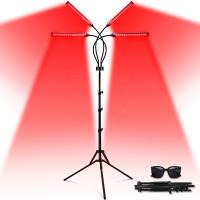
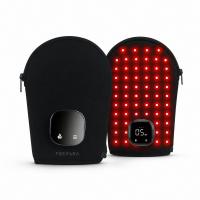
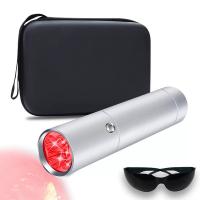
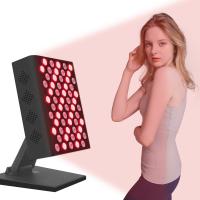
Medical-grade hands and feet phototherapy devices utilize specific light wavelengths to stimulate cellular responses. UVB systems (290-320nm) are particularly effective for psoriasis treatment, while LED-based devices often use red (630nm) and near-infrared (850nm) wavelengths for pain management.
Manufacturing Standards Compliance
- IEC 60601-1 for medical electrical equipment
- ISO 13485 quality management
- 21 CFR Part 808 (FDA)
Industry Trends and Regional Demand
European markets show 42% preference for LED-based systems due to energy efficiency concerns, while North American buyers prioritize FDA-cleared UV devices for psoriasis treatment. Emerging Asian markets are adopting portable, cost-effective solutions for home use.
Environmental Considerations
Modern phototherapy devices must comply with RoHS and WEEE directives, particularly regarding mercury content in traditional UV lamps and battery disposal in portable units.
Frequently Asked Questions
Can hands and feet phototherapy treat nail psoriasis?
Yes, targeted UVB phototherapy has shown 78% improvement rates in nail psoriasis when using specialized attachments (Journal of Dermatological Treatment, 2022).
What certifications should I verify?
For medical applications, look for FDA 510(k) clearance or CE Marking. Cosmetic devices should have FCC and RoHS compliance.