Hair Removal Machine Ultimate Guide 2024: How to Choose the Best IPL Device_80
The Complete Guide to Hair Removal Machines in 2024
The global hair removal device market is projected to reach $3.5 billion by 2027, growing at 8.2% CAGR according to Grand View Research. As consumers increasingly seek salon-quality results at home, understanding how to select the right hair removal machine becomes essential. This guide will walk you through everything from technology comparisons to regional compliance standards.
Hair Removal Machine Buying Guide
When evaluating hair removal devices, consider these key factors:
| Feature | IPL Devices | Laser Machines | Epilators |
|---|---|---|---|
| Technology | Intense Pulsed Light | Diode Laser | Mechanical Tweezing |
| Pain Level | Mild | Moderate | High |
| Treatment Duration | 8-12 sessions | 6-8 sessions | Continuous |
7 Must-Check Features for Professional IPL Devices
- FDA clearance status
- Energy output (measured in joules)
- Flash count lifespan
- Skin tone sensor technology
- Cooling mechanism
- Treatment window size
- Warranty coverage
Technical Specifications Explained
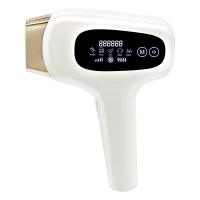
Modern hair removal machines utilize either IPL (Intense Pulsed Light) or laser technology. IPL devices emit broad-spectrum light that targets melanin in hair follicles, while laser machines use concentrated beams for more precise treatment.
Key technical parameters include:
- Wavelength range (typically 500-1200nm)
- Fluence (5-30 J/cm²)
- Pulse width (2-100ms)
- Repetition rate (0.5-3Hz)
Industry Trends and Regional Demand
The European market shows strongest demand for medical-grade devices, while North American consumers prefer at-home systems with smart features. Emerging markets in Southeast Asia are adopting budget-friendly IPL models.
New environmental regulations now require:
- RoHS compliance for electronic components
- REACH certification for materials
- Energy Star ratings for power efficiency
Frequently Asked Questions
Q: Can hair removal machines treat all skin types?
A: Most modern devices include skin tone sensors, but very dark skin may require specialized Nd:YAG laser technology.
Q: What certifications should I look for?
A: Prioritize devices with FDA, CE, and ISO 13485 certifications for safety and quality assurance.
Q: How does customs clearance work?
A: Professional devices may require additional documentation like FDA 510(k) clearance for US imports.