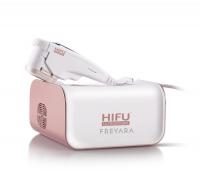
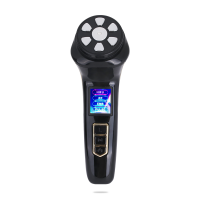
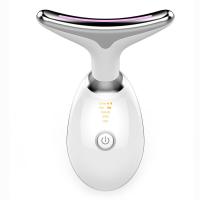
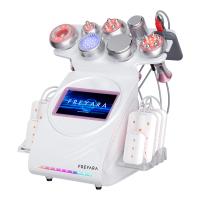
Facial Treatment Machine Ultimate Guide 2024: How to Choose the Best Skin Care Device_33
The Complete Guide to Facial Treatment Machines in 2024
The global facial treatment device market is projected to reach $12.5 billion by 2027, growing at 11.2% CAGR according to Grand View Research. As consumers increasingly seek professional-grade results at home, understanding how to select the right facial treatment machine becomes crucial. This guide will help you navigate through technical specifications, compare different technologies, and identify machines that deliver salon-quality results.
Facial Treatment Machine Buying Guide
When investing in a facial treatment machine, consider these key factors:
| Feature | Professional Grade | Home Use |
|---|---|---|
| Power Output | High (medical-grade) | Moderate (FDA-cleared) |
| Treatment Depth | 4-6mm | 1-3mm |
| Price Range | $2,000-$8,000 | $200-$1,500 |
7 Must-Check Features for Professional Facial Devices
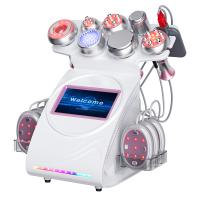
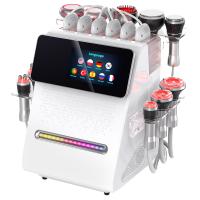
- Multi-technology integration (RF + LED + Ultrasound)
- Adjustable energy levels
- FDA/CE certification
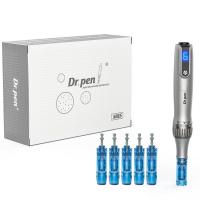
- Ergonomic handpiece design
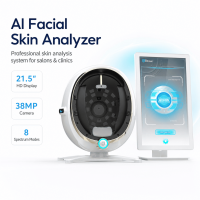
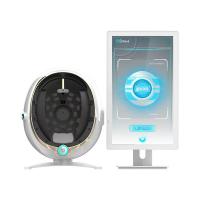
- Real-time skin analysis capability
- Modular attachments
- After-sales service coverage
Technical Specifications Explained
Modern facial treatment machines combine multiple technologies:

Radio Frequency (RF): Penetrates 3-6mm to stimulate collagen at 1MHz frequency. Look for bipolar RF for safer treatments.
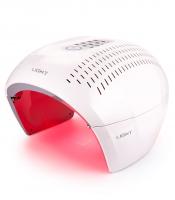
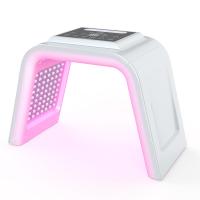
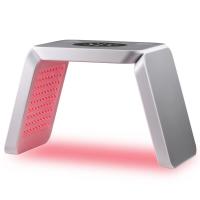
LED Therapy: Red (630nm) for anti-aging, Blue (415nm) for acne treatment. Professional machines offer 100+ LEDs.
Industry Trends and Regional Demand
The U.S. dominates 38% of market share, while APAC shows fastest growth at 14% CAGR. New EU regulations now require MDR certification for all aesthetic devices.
Frequently Asked Questions
Q: Can facial treatment machines treat rosacea?
A: Yes, but only with specific yellow LED (590nm) and low-level RF settings.
Q: What certifications are mandatory?
A: FDA 510(k) for U.S., CE Mark for Europe, and KFDA for South Korea.