Facial Light Therapy Device Ultimate Guide 2024: How to Choose the Best Skin Rejuvenation Tool_85
The Complete Guide to Facial Light Therapy Devices in 2024
The global facial light therapy market is projected to reach $1.2 billion by 2027, growing at 5.8% CAGR according to Grand View Research. As consumers increasingly seek non-invasive skincare solutions, LED light therapy devices have emerged as a revolutionary tool combining dermatological science with at-home convenience. This comprehensive guide will walk you through everything from technical specifications to regional compliance standards, helping you make informed purchasing decisions whether you're a skincare professional or home user.
Facial Light Therapy Device Buying Guide
When comparing facial light therapy devices to traditional skincare treatments, several key differences emerge:
| Feature | Light Therapy | Chemical Peels | Microdermabrasion |
|---|---|---|---|
| Downtime | None | 3-7 days | 1-2 days |
| Pain Level | Painless | Moderate | Mild |
| Treatment Frequency | 2-5x weekly | Monthly | Bi-weekly |
7 Must-Check Features for Professional-Grade Devices
- FDA clearance for acne and anti-aging claims
- Medical-grade LED bulbs with 50,000+ hour lifespan
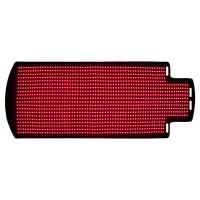
- Multiple wavelength settings (red, blue, infrared)
- Timer with automatic shutoff
- Ergonomic design for full facial coverage
- Clinically proven treatment protocols
- IPL-free technology for all skin types
Technical Specifications Explained
Understanding light therapy specifications ensures you select equipment matching your clinical needs:

The most effective devices deliver light at specific nanometer wavelengths:
- Blue light (415nm): Targets acne-causing bacteria
- Red light (633nm): Stimulates collagen production
- Near-infrared (830nm): Reduces inflammation
How to Maximize Treatment Results
For optimal outcomes with at-home devices:
- Cleanse skin thoroughly before treatment
- Use 3-5 times weekly for 10-20 minute sessions
- Apply serums immediately post-treatment
- Combine with sunscreen for daytime use
Industry Trends and Regional Compliance
The European market shows particular demand for CE-marked devices with customizable wavelength combinations, while North American buyers prioritize FDA-cleared units. Emerging Asian markets are adopting portable, budget-friendly models with multilingual interfaces.
Environmental Considerations
Leading manufacturers now use:
- RoHS-compliant materials
- Rechargeable lithium-ion batteries
- Minimal plastic packaging
Frequently Asked Questions
Q: Can light therapy devices treat rosacea?
A: Amber and red wavelengths can reduce redness and inflammation associated with rosacea when used at proper intensities.
Q: What certifications should professional devices have?
A: Look for FDA 510(k), CE, and ISO 13485 certifications for medical-grade equipment.
Q: Are there import restrictions?
A: Devices containing lasers may require special customs clearance in some countries.