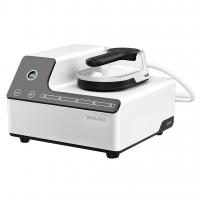
EMS Training Equipment Ultimate Guide 2024: How to Choose Professional Muscle Stimulators_6
The Complete Guide to EMS Training Equipment in 2024
The global EMS (Electrical Muscle Stimulation) equipment market is projected to reach $1.2 billion by 2027, growing at 7.3% CAGR according to Market Research Future. As fitness professionals and athletes increasingly adopt this technology, understanding how to select the right EMS training equipment becomes crucial. This guide will walk you through everything from technical specifications to regional compliance standards, helping you make informed purchasing decisions whether you're a gym owner, therapist, or home user.
EMS Training Equipment Buying Guide: 7 Critical Factors
When comparing EMS devices to traditional workout equipment, consider these key differences:
| Feature | EMS Equipment | Traditional Equipment |
|---|---|---|
| Time Efficiency | 20-min sessions equivalent to 90-min workout | Requires longer duration |
| Muscle Activation | Simultaneous activation of multiple muscle groups | Isolated muscle targeting |
7 Must-Check Features for Professional EMS Devices
- FDA or CE medical certification
- Adjustable frequency range (1-150Hz)
- At least 8 independent channels
- Wireless connectivity options
- Moisture-resistant electrodes
- Pre-programmed training modes
- Real-time muscle response monitoring
Technical Deep Dive: How EMS Workout Technology Functions
Modern EMS machines deliver electrical impulses through surface electrodes that mimic the brain's natural signals. The optimal waveform for muscle contraction uses medium-frequency currents (2,000-10,000Hz) modulated at 50-80Hz. Look for devices with biphasic rectangular pulses (100-400μs width) for balanced muscle development.
Manufacturing Standards Comparison
- EU: Requires EN 60601-1 medical electrical equipment standard
- US: FDA Class II medical device registration
- Asia: Typically follows IEC 60601 with local modifications
Industry Trends: Regional Demand Analysis
Europe currently dominates 42% of EMS equipment sales (Statista 2023), with Germany being the innovation hub. The U.S. market shows 11% annual growth in professional-grade devices, while Southeast Asia emerges as the fastest-growing region (18% CAGR) due to rising fitness awareness.
Environmental Compliance Updates
New RoHS 3.0 standards now restrict 4 additional phthalates in electrode materials. Leading manufacturers like Miha Bodytec and XBody have transitioned to fully recyclable silicone electrodes.
FAQ: Common Questions About EMS Training Equipment
Q: Can EMS replace traditional workouts completely?
A: While highly effective, EMS works best when combined with conventional training (2-3 sessions weekly).
Q: What certifications should I verify?
A: For commercial use, look for FDA 510(k) clearance or CE Class IIa certification at minimum.
Q: How to handle customs clearance?
A: Most professional EMS devices require HS code 9019.20 and typically face 3-5% import duty in major markets.