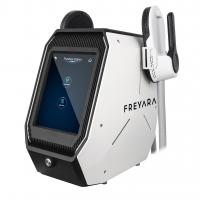
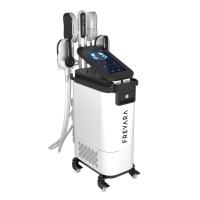
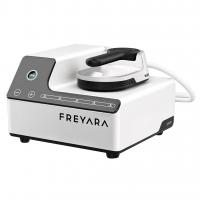
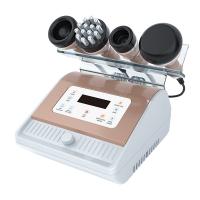
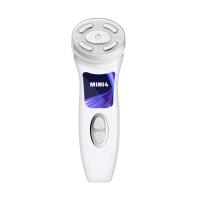
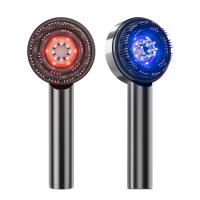
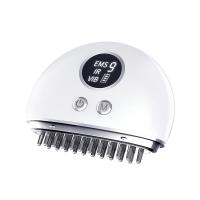
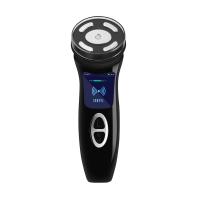
Electrical Muscle Stimulation (EMS): The Ultimate Guide for Importers & Wholesalers_45
Electrical Muscle Stimulation (EMS): The Ultimate Guide for Importers & Wholesalers
In today's global fitness and rehabilitation equipment market, electrical muscle stimulation (EMS) technology has emerged as a game-changer. International buyers face challenges in identifying OEM suppliers with proper certifications while balancing cost and quality requirements. This comprehensive guide addresses these pain points with actionable insights.
What is Electrical Muscle Stimulation?
Electrical muscle stimulation (EMS) uses controlled electrical impulses to trigger involuntary muscle contractions. Modern EMS devices operate at frequencies between 1-150Hz with adjustable intensity up to 100mA, complying with IEC 60601-2-10 medical equipment standards.

EMS vs Alternative Technologies
| Technology | Advantages | Disadvantages |
|---|---|---|
| EMS | Precise muscle targeting FDA-cleared for pain relief Portable designs | Higher initial cost Requires proper training |
| TENS | Lower price point Simple operation | Only addresses pain Limited muscle activation |
Key Benefits for International Buyers
- Cost efficiency: Reduce inventory costs with multi-functional devices serving both fitness and clinical markets
- Quality assurance: Leading Chinese manufacturers now offer 3-year warranties on EMS control units
- Market potential: Global EMS equipment market projected to reach $1.2 billion by 2028 (Grand View Research)
Essential Certifications
Reputable EMS suppliers should provide:
- CE Mark (Medical Device Directive 93/42/EEC)
- FDA 510(k) clearance for pain management claims
- ISO 13485:2016 quality management system
- RoHS compliance for all electrical components
Supplier Evaluation Checklist
- Verify factory audit reports (SGS/BV/TUV)
- Request sample devices for durability testing
- Confirm IP ratings for water resistance (IPX7 recommended)
- Review OEM/ODM capabilities for private labeling
Emerging Market Success Story
A German sports retailer partnered with our certified EMS manufacturer to develop a proprietary training system. The solution combined wireless EMS technology with mobile app integration, resulting in 37% higher average order value compared to standard units.
FAQ Section
How to negotiate better EMS device pricing?
Consider ordering during Q1 production cycles when factories have available capacity. Combining multiple product SKUs can unlock additional 5-8% discounts.
What are typical MOQs for EMS orders?
Standard MOQs range from 300-500 units for basic models, while customized devices may require 1,000+ unit commitments.
Can I get custom firmware for my brand?
Yes, most manufacturers support custom program algorithms and UI modifications with development fees starting at $2,500.
Do suppliers handle export documentation?
Reliable partners provide complete shipping solutions including:
- Commercial invoices
- Packing lists
- Certificate of origin
- CE declaration of conformity
What quality tests are performed?
Expect 100% functional testing plus batch-level:
- Output waveform verification
- Safety isolation checks
- Accelerated lifespan testing
What payment terms are secure?
Standard practice involves 30% deposit with balance paid against copy of BL. For new buyers, consider using Alibaba Trade Assurance for protection.
Ready to source premium EMS equipment? Download our 2024 EMS Buyer's Guide with complete technical specifications and supplier comparison matrices.