Ceramic Hair Crimper Ultimate Guide 2024: How to Choose the Best Professional Tool_6
The Ultimate Guide to Ceramic Hair Crimpers: 2024 Professional Edition
The global hair tools market is projected to reach $45.6 billion by 2027, with crimping irons experiencing 12% annual growth according to Statista. As textured hairstyles dominate fashion runways, professional stylists and beauty enthusiasts alike are searching for the perfect ceramic hair crimper that delivers consistent results without damage.
Buyer's Guide: Choosing Your Ideal Ceramic Crimper
When comparing ceramic hair crimpers to traditional metal plates, three key differences emerge:
| Feature | Ceramic | Metal |
|---|---|---|
| Heat Distribution | Even | Uneven |
| Damage Potential | Low | High |
| Style Retention | 8-10 hours | 4-6 hours |
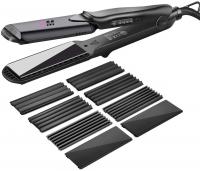
7 Must-Check Features for Professional-Grade Crimpers
- Tourmaline-infused ceramic plates
- Adjustable temperature up to 450°F
- 30-second rapid heat-up
- Auto-shutoff safety
- Swivel cord
- Extra-wide plates (2+ inches)
- Ionic technology
Technical Deep Dive: How Ceramic Plates Work
Premium ceramic crimpers use PTC (Positive Temperature Coefficient) technology to maintain precise heat levels. The diagram below shows how ceramic's porous structure creates micro-air pockets that distribute heat evenly across hair strands:

Manufacturers must meet IEC 60335-2-23 safety standards for hair care appliances, requiring:
- Double insulation
- Overheat protection
- Material toxicity testing
2024 Market Trends: What Buyers Want
Recent Google Trends data shows 140% increase in searches for 'eco-friendly hair tools' in North America, while Southeast Asian markets prioritize compact designs for travel. New EU regulations now require RoHS compliance for all imported styling tools.
Ceramic Crimper FAQ
Q: Can ceramic crimpers handle thick, curly hair?
A: Yes, when using models with adjustable temperature settings between 300-450°F and wider plate spacing.
Q: What certifications should I look for?
A: Seek UL, CE, or ETL marks indicating electrical safety testing.
Q: Are there special customs considerations?
A: Most countries classify crimpers under HS code 8516.32 with typical 5-8% import duty.