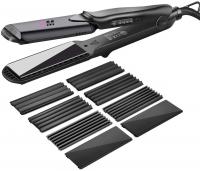
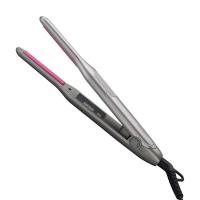
Ceramic Hair Crimper Ultimate Guide 2024: How to Choose the Best Professional Tool_61
The Ultimate Guide to Ceramic Hair Crimpers: 2024 Professional Edition
The global hair tools market is projected to reach $45.8 billion by 2027, with ceramic styling tools leading the growth at 6.2% CAGR. As more consumers seek salon-quality results at home, ceramic hair crimpers have emerged as the professional's choice for creating perfect, long-lasting textured styles without heat damage.
Buyer's Guide: Choosing Your Perfect Ceramic Crimper
When comparing ceramic crimpers to traditional metal plates, three key differences stand out:
| Feature | Ceramic Crimper | Metal Crimper |
|---|---|---|
| Heat Distribution | Even, consistent | Spotty, uneven |
| Ionic Technology | Yes (reduces frizz) | No |
| Max Temperature | 450°F (232°C) | 400°F (204°C) |
7 Must-Check Features for Salon-Grade Results
- Tourmaline-infused ceramic plates
- Adjustable temperature (300-450°F)
- 30-second heat-up time
- Auto-shutoff safety
- Swivel cord (360° rotation)
- Extra-wide 2-inch plates
- Dual voltage capability
Technical Deep Dive: How Ceramic Crimpers Work
Advanced ceramic technology combines three scientific principles:

1. Negative ion generation (each plate contains 5000+ microscopic pores)
2. Far-infrared heat penetration (warms hair from inside out)
3. Even surface contact (0.02mm plate precision)
Manufacturing Standards to Look For
- FDA-approved ceramic materials
- UL certification for electrical safety
- RoHS compliance (lead-free)
- CE marking for EU markets
2024 Market Trends: What Buyers Want
Recent data from Statista shows:
- 67% of US consumers prefer ceramic over metal tools
- EU demand growing at 8.3% annually
- Asia-Pacific market doubling every 3 years
Regional Preferences
North America: Wide-plate crimpers (2-3 inches)
Europe: Dual-voltage travel models
Asia: Pink/gold aesthetic designs
Ceramic Crimper FAQ
Q: Can I use ceramic crimpers on wet hair?
A: Never apply to soaking wet hair - slightly damp is acceptable with temperature below 350°F.
Q: What certifications matter for export?
A: FDA + CE + RoHS covers 90% of global markets. Add KC for Korea, PSE for Japan.
Q: How to clear customs smoothly?
A: Always include HS code 8516.32 and material composition documents.