Blue Light Therapy Mask Ultimate Guide 2024: How to Choose the Best Skin Care Device_89
The Complete Guide to Blue Light Therapy Masks in 2024
The global blue light therapy market is projected to reach $1.2 billion by 2027, growing at 5.8% CAGR according to Grand View Research. As more consumers seek non-invasive skincare solutions, blue light therapy masks have emerged as a popular alternative to chemical treatments. This comprehensive guide will help you navigate the key considerations when purchasing a blue light therapy mask, understand the technology behind it, and stay informed about the latest industry trends.
Blue Light Therapy Mask Buying Guide
When comparing blue light therapy masks to traditional acne treatments, consider these key factors:
| Feature | Blue Light Mask | Topical Creams |
|---|---|---|
| Treatment Time | 10-30 min/session | Daily application |
| Side Effects | Minimal | Skin irritation |
| Cost Over Time | One-time purchase | Ongoing expense |
7 Must-Check Features for Professional Blue Light Therapy Masks
- FDA clearance status
- Wavelength range (typically 405-420nm)
- Number of LED bulbs
- Treatment timer settings
- Battery life/rechargeability
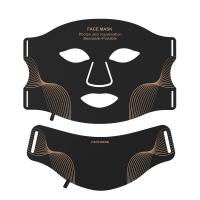
- Ergonomic face contour design
- Included protective eyewear
Technical Specifications Explained
Modern blue light therapy masks operate at wavelengths between 405-420 nanometers, which scientific studies show is optimal for targeting acne-causing bacteria. The light penetrates approximately 1-2mm into the skin, reaching the sebaceous glands without damaging surrounding tissue. Most professional-grade devices deliver 30-100mW/cm² of light energy, with treatment times ranging from 10-30 minutes per session.
How Blue Light Therapy Works for Acne Treatment
When blue light at 415nm wavelength interacts with porphyrins (compounds produced by P. acnes bacteria), it creates free radicals that destroy the bacteria. This process reduces inflammation and prevents new breakouts without drying out the skin like many topical treatments.
Industry Trends and Regional Demand
The North American market currently leads in blue light therapy adoption, accounting for 38% of global revenue according to Statista. However, Asia-Pacific is experiencing the fastest growth (7.2% CAGR) as K-beauty trends influence skincare routines worldwide. New developments include hybrid devices combining blue light with red light therapy and smart masks with Bluetooth connectivity for treatment tracking.
Frequently Asked Questions
Is blue light therapy safe for sensitive skin?
Yes, when used as directed. Unlike chemical peels or abrasive treatments, blue light therapy doesn't damage the skin barrier. Start with shorter sessions (5-10 minutes) if you have sensitive skin.
What certifications should I look for?
FDA-cleared devices meet strict safety standards. CE marking indicates compliance with European health standards. Look for ISO 13485 certification for medical device manufacturing quality.
How often should I use my blue light mask?
Most dermatologists recommend 3-5 sessions per week for acne treatment, with maintenance use 1-2 times weekly after clearing occurs. Always follow your device's specific instructions.
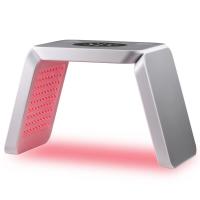
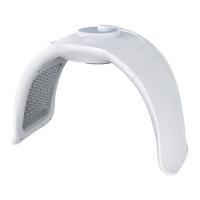
-200x200.jpg "Blue Light Therapy Mask: The Ultimate Solution for Acne and Skin Rejuvenation_25")