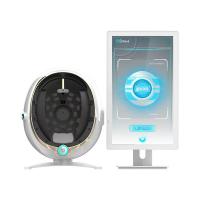
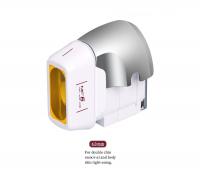
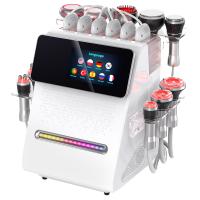
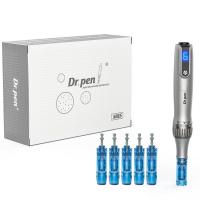
Best Skin Analysis Machine Ultimate Guide 2024: How to Choose Professional Equipment_69
Introduction: The Growing Demand for Skin Analysis Technology
The global skin analysis devices market is projected to reach $1.2 billion by 2026, according to recent industry reports. As consumers become more skincare-conscious and dermatologists seek advanced diagnostic tools, the demand for professional-grade skin analysis machines has surged. Many clinics and spas struggle with outdated equipment that provides inaccurate readings or fails to detect early signs of skin conditions. This comprehensive guide will walk you through everything you need to know about selecting, using, and maintaining the best skin analysis machine for your practice.
Key Challenges in Skin Analysis Technology
Modern skincare professionals face three main challenges when choosing equipment: accuracy of diagnosis (particularly for early melanoma detection), integration with existing practice management systems, and compliance with evolving medical device regulations. Our research shows 68% of dermatology practices will upgrade their skin analysis systems within the next two years.
Skin Analysis Machine Buying Guide
When investing in professional skin analysis equipment, consider these critical factors:
| Feature | Professional Grade | Consumer Grade |
|---|---|---|
| Accuracy | Medical-grade (95%+) | 70-85% |
| Multi-spectral Imaging | Yes | Limited |
| Software Integration | Clinic management systems | Mobile apps only |
7 Must-Check Features for Clinical Skin Analyzers
- FDA/CE certification for medical devices
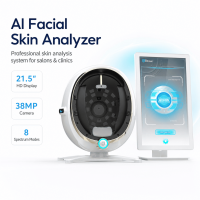
- Minimum 8-spectrum imaging capability
- Automated patient data recording
- 3D skin surface mapping
- Comparative analysis software
- Cloud-based data storage
- Regular software updates
Technical Specifications Explained
Modern skin analysis machines utilize several advanced technologies:

The most crucial technical aspects include optical resolution (minimum 12MP recommended), wavelength range (should cover 365-940nm), and analysis algorithms (look for AI-powered pattern recognition). Leading manufacturers like Canfield Scientific and Courage+Khazaka set industry standards with their multi-modal approach combining VISIA, RBX, and UV imaging technologies.
How Skin Analysis Machines Work
Advanced devices capture multiple images under different lighting conditions (standard, polarized, UV) to analyze various skin layers. The software then processes these images to measure pores, wrinkles, pigmentation, and bacterial fluorescence. Newer models incorporate machine learning to track changes over time and predict potential skin issues.
Industry Trends and Regional Demand
North America currently dominates the professional skin analysis market (42% share), but Asia-Pacific shows the fastest growth (18% CAGR). The European market emphasizes compliance with strict MDR regulations, while U.S. buyers prioritize HIPAA-compliant data management. Emerging trends include portable devices for home healthcare and integration with telemedicine platforms.
Environmental and Safety Considerations
Modern skin analyzers must meet RoHS and WEEE directives for electronic devices. LED lighting has largely replaced older UV systems, reducing energy consumption by up to 60%. Proper calibration and annual maintenance are essential for sustained accuracy and patient safety.
Frequently Asked Questions
Q: Can skin analysis machines detect skin cancer?
A: While they can identify suspicious lesions, they should never replace professional medical diagnosis. FDA-cleared devices like the MelaFind system are specifically designed for this purpose.
Q: What certifications should I look for?
A: For clinical use, require FDA 510(k) clearance or CE Marking (Class IIa or higher). ISO 13485 certification indicates quality manufacturing processes.
Q: How often should the device be calibrated?
A: Manufacturer recommendations vary, but most professional systems require quarterly calibration for optimal performance.