
Best Light Therapy for Hands and Feet Eczema: How It Works and Benefits_47
Hands and feet eczema light therapy is a clinically proven treatment that uses ultraviolet (UV) light to reduce inflammation, itching, and scaling caused by eczema. This non-invasive method helps manage chronic symptoms when topical treatments fail.
Table of Contents
1. Does light therapy work for hand eczema?2. UVB light therapy for feet eczema
3. Best home light therapy device for eczema
4. Side effects of eczema light treatment
1. Does light therapy work for hand eczema?
Clinical studies demonstrate that light therapy, particularly narrowband UVB, can significantly improve hand eczema symptoms. The treatment works by suppressing the overactive immune response that causes inflammation. Most patients require 2-3 sessions weekly for 8-12 weeks to see noticeable improvement. Dermatologists often recommend combining light therapy with moisturizers for better results. The American Academy of Dermatology reports 60-70% success rates in reducing redness, cracking, and itching. Unlike topical steroids, light therapy doesn't cause skin thinning, making it ideal for long-term management of chronic hand eczema.
2. UVB light therapy for feet eczema
UVB phototherapy effectively treats stubborn foot eczema that resists creams and ointments. The therapy penetrates thick foot skin better than topical medications, reaching deeper inflammation. Treatment protocols typically involve gradually increasing exposure times from 30 seconds to several minutes per session. Many podiatrists recommend combining UVB therapy with foot soaks to enhance light penetration. Studies show particular effectiveness for dyshidrotic eczema on feet, with 80% of patients experiencing reduced blistering after 12 weeks. Medical-grade UVB units for feet often include reflective surfaces to ensure even light distribution across curved areas.
3. Best home light therapy device for eczema
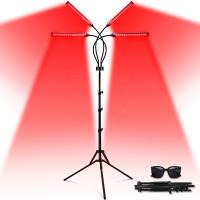
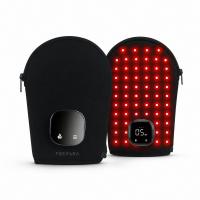
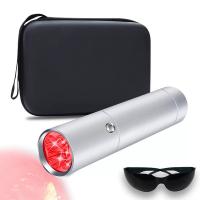
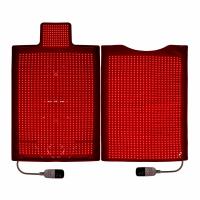
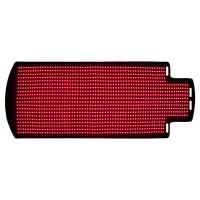
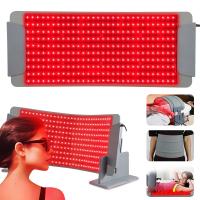
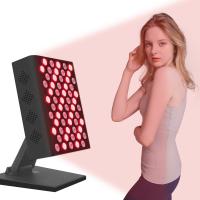
FDA-cleared home phototherapy devices provide convenient treatment for hands and feet eczema. The best units feature: narrowband UVB (311nm wavelength), automatic timers, protective eyewear, and adjustable intensity. Popular medical-grade options include handheld wands for precise application and larger panels for full coverage. Consumer reports indicate consistent use of home devices can maintain remission for 6-12 months between flare-ups. However, dermatologists advise starting with professional treatments to determine optimal dosing before transitioning to home therapy. Quality home devices typically cost $200-$800 and last 3-5 years with proper maintenance.
4. Side effects of eczema light treatment
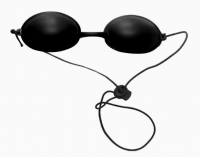
While generally safe, light therapy may cause temporary side effects including mild sunburn, skin dryness, and occasional blistering. Proper moisturizing and gradual dose increases minimize these effects. Long-term risks include premature skin aging and potential increased cancer risk with excessive use. Protective measures like sunscreen application (except on treatment areas), UV-blocking goggles, and limited session frequency reduce risks. Contraindications include lupus, certain medications causing photosensitivity, and personal/family history of skin cancer. Most dermatologists recommend annual skin checks for patients undergoing prolonged light therapy.
For those suffering from persistent hands and feet eczema, light therapy offers a scientifically validated alternative when creams fail. Whether choosing clinical treatments or home devices, UVB phototherapy can significantly improve quality of life by reducing painful symptoms. The key benefits include non-invasive application, steroid-free treatment, and long-term remission potential. By understanding the different approaches - from professional UVB sessions to home devices - patients can make informed decisions about incorporating light therapy into their eczema management plan.
In conclusion, hands and feet eczema light therapy represents an effective second-line treatment for stubborn cases. With proper medical supervision and consistent treatment protocols, most patients experience substantial symptom relief. The combination of clinical evidence and technological advancements in home devices makes phototherapy an increasingly accessible option for chronic eczema sufferers worldwide.
-200x200.jpg "Effective Hands and Feet Eczema Light Therapy: A Complete Guide to Soothing Relief_40")