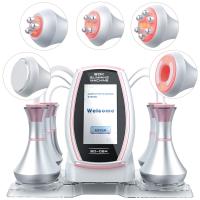
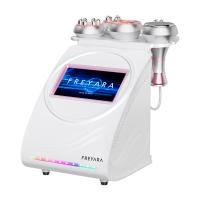
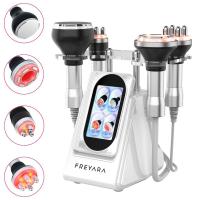
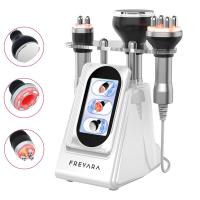
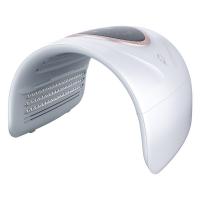
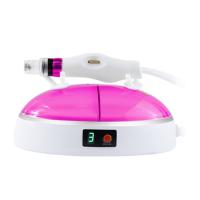
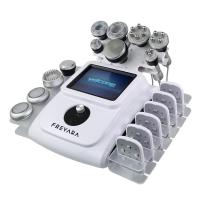
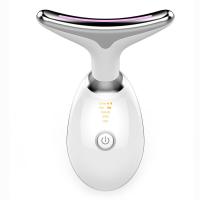
Anti-Aging Skin Machine Ultimate Guide 2024: How to Choose the Best Professional Device_40
Anti-Aging Skin Machine Ultimate Guide 2024: How to Choose the Best Professional Device
The global anti-aging devices market is projected to reach $11.8 billion by 2027, growing at 13.2% CAGR (Grand View Research). As consumers increasingly seek non-invasive solutions for youthful skin, anti-aging skin machines have become essential tools for both professionals and home users. This comprehensive guide will help you navigate the complex landscape of anti-aging technology, compare key features, and make informed purchasing decisions.
Anti-Aging Skin Machine Buying Guide
When investing in an anti-aging skin machine, consider these critical factors:
| Feature | Professional Grade | Home Device |
|---|---|---|
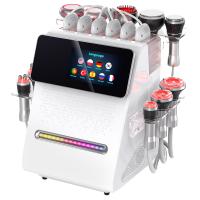
| Technology | RF + LED + Ultrasound | Basic RF or LED |
| Power Output | 15-30W | 5-10W |
| Treatment Depth | 4-6mm | 1-3mm |
7 Must-Check Features for Professional Anti-Aging Machines
- Multi-technology integration (RF/LED/Ultrasound)
- Adjustable energy levels (5-30W range)
- FDA/CE certification
- Cooling system for comfort
- Treatment timer with auto-shutoff
- Ergonomic handpiece design
- 2-year minimum warranty
Technical Breakdown of Anti-Aging Technology
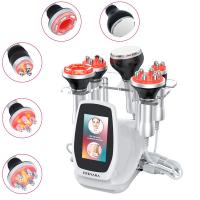
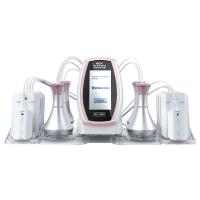
Modern anti-aging skin machines combine three core technologies:

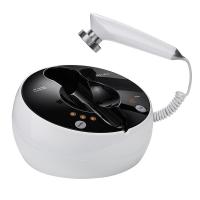
1. Radio Frequency (RF): Heats dermal layer at 4-6mm depth to stimulate collagen
2. LED Therapy: Red (633nm) and near-infrared (830nm) wavelengths for cellular repair
3. Ultrasound: 1-3MHz frequency enhances product penetration
Industry Trends in Anti-Aging Devices
The U.S. dominates 38% of global market share, while Asia-Pacific shows fastest growth (Statista). Key developments include:
- Portable professional devices under 5lbs
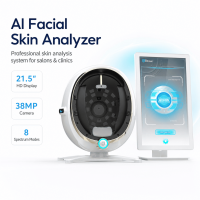
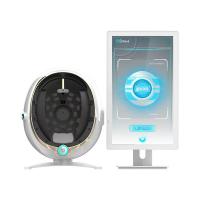
- AI-powered skin analysis integration
- Eco-friendly disposable tips
- Bluetooth connectivity for treatment tracking
FAQ
Q: Can anti-aging skin machines treat deep wrinkles?
A: Professional-grade devices can improve wrinkles up to 65% after 8 sessions (Journal of Cosmetic Dermatology).
Q: What certifications should I look for?
A: FDA Class II medical device clearance or CE mark for European markets.
Q: How to handle customs clearance?
A: Ensure your supplier provides HS code 9019.20 and proper documentation for medical devices.