Advanced Radiofrequency Instruments for Medical and Aesthetic Applications_23
Advanced Radiofrequency Instruments for Medical and Aesthetic Applications
Introduction
Radiofrequency (RF) instruments have revolutionized both medical and aesthetic industries with their non-invasive treatment capabilities. These devices utilize electromagnetic waves to deliver controlled heat energy to targeted tissues, stimulating collagen production and promoting tissue remodeling. From skin tightening to pain management, radiofrequency instruments offer versatile solutions for various conditions. This article explores the technology behind these innovative devices, their applications, and how to select the right equipment for your practice.
What is a Radiofrequency Instrument?
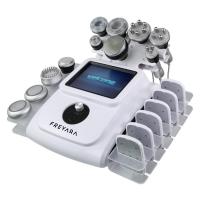
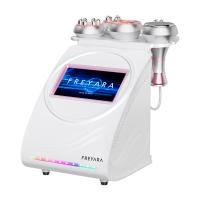
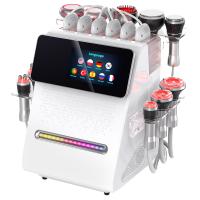
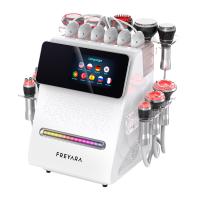
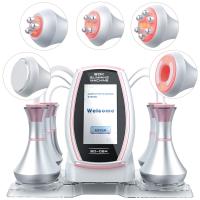
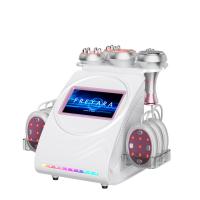
A radiofrequency instrument is a medical or aesthetic device that generates electromagnetic waves in the radiofrequency spectrum (typically between 300 kHz to 1 MHz). These devices work by delivering controlled thermal energy to deeper layers of tissue without damaging the surface. The heat stimulates collagen contraction and neocollagenesis, leading to tissue tightening and rejuvenation. Modern RF instruments come with advanced features like temperature monitoring, adjustable energy delivery, and multiple handpiece options for different treatment areas.
Benefits of Radiofrequency Technology
Radiofrequency instruments offer numerous advantages over traditional treatment methods. They provide non-invasive or minimally invasive solutions with little to no downtime. RF treatments are known for their safety profile, as they don't involve harmful radiation or surgical incisions. The technology promotes natural healing processes by stimulating the body's own collagen production. Additionally, radiofrequency instruments can be used for various indications including skin tightening, wrinkle reduction, cellulite improvement, and even pain management in physical therapy settings.
Applications of Radiofrequency Instruments
Radiofrequency instruments find applications across multiple medical and aesthetic fields. In dermatology and aesthetics, they're used for facial rejuvenation, body contouring, and scar treatment. Physical therapists utilize RF technology for deep tissue heating and pain management. Surgical specialties employ radiofrequency instruments for precise tissue cutting and coagulation. The technology also shows promise in treating certain types of tumors through targeted thermal ablation. With ongoing advancements, the scope of RF applications continues to expand in healthcare.
Choosing the Right Radiofrequency Instrument
When selecting a radiofrequency instrument, consider factors like treatment indications, power output, safety features, and ease of use. Medical-grade devices typically offer higher power and more precise controls than consumer models. Look for systems with multiple handpieces for versatility in treating different areas. Temperature monitoring and cooling systems are essential safety features. Also consider the device's clinical evidence, manufacturer reputation, and after-sales support. Our company offers a range of FDA-cleared and CE-certified radiofrequency instruments suitable for various professional applications.
Frequently Asked Questions
How does radiofrequency treatment work?
RF treatment delivers controlled heat energy to deeper tissue layers, stimulating collagen production and tissue remodeling without damaging the surface.
Is radiofrequency treatment safe?
When performed by trained professionals using quality equipment, RF treatments have an excellent safety profile with minimal side effects.
How many sessions are typically needed?
Most treatments require 3-6 sessions spaced 2-4 weeks apart, depending on the condition being treated and desired results.
What's the difference between monopolar and bipolar RF?
Monopolar RF penetrates deeper while bipolar RF offers more superficial treatment with better control over energy delivery.
Can RF instruments be used on all skin types?
Yes, radiofrequency technology is generally safe for all skin types as it doesn't rely on pigment absorption like some laser treatments.
Conclusion
Radiofrequency instruments represent a significant advancement in non-invasive medical and aesthetic treatments. With their versatility, safety, and proven results, these devices have become essential tools for modern practices. Explore our selection of professional-grade radiofrequency instruments to enhance your treatment offerings and deliver superior results to your clients.