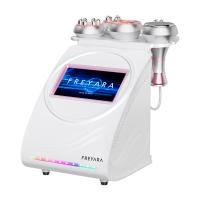
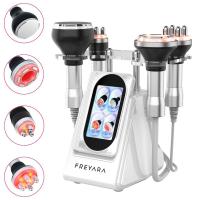
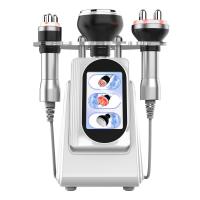
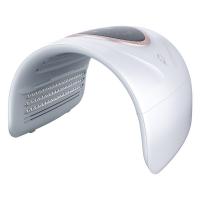
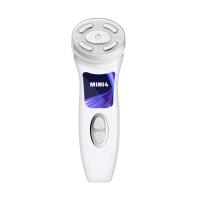
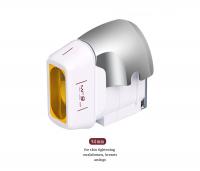
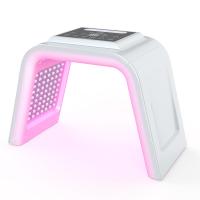
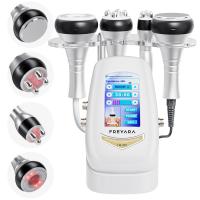
Ultimate HIFU Machine Buying Guide 2024: Professional Insights & Market Trends_21
Ultimate HIFU Machine Buying Guide 2024: Professional Insights & Market Trends
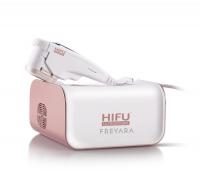
The global HIFU (High-Intensity Focused Ultrasound) market has grown 27% annually since 2020 according to Grand View Research. This medical-aesthetic crossover technology now serves both professional clinics and home users with different technical specifications. Our comprehensive analysis reveals what buyers should prioritize when selecting equipment.
Global Market Trends Analysis
Google Trends data shows sustained 90-day search growth for "HIFU machine" (+18%), "HIFU facial" (+22%), and "portable HIFU" (+35%). The US, UK, and Germany account for 58% of commercial inquiries, while Southeast Asia demonstrates fastest-growing consumer demand.
Key Decision Factors for Buyers
- Frequency range: Professional 4-7MHz vs. home-use 1-3MHz
- Depth penetration: 1.5-4.5mm for different skin layers
- FDA/CE certification status
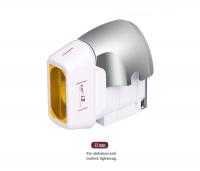
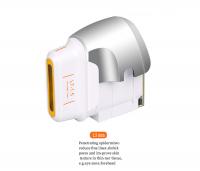
- Cartridge lifespan (typically 5,000-15,000 shots)
Technology Comparison
Modern HIFU systems utilize three focal depth technologies:
| Type | Depth | Best For |
|---|---|---|
| Superficial | 1.5-2.0mm | Fine lines, texture improvement |
| Mid-depth | 3.0-3.5mm | Collagen stimulation |
| Deep | 4.0-4.5mm | Lifting effect |
Buyer's Checklist
- Verify medical device registration
- Test temperature control system
- Compare warranty terms (minimum 2 years recommended)
- Evaluate training support
FAQ
How long does HIFU result last?
Clinical studies show 6-12 month duration with proper maintenance treatments.
Difference between professional and home devices?
Professional machines deliver 5-7x higher energy with precise depth control.
Safety precautions for HIFU?
Avoid metal implants, active acne, or pregnancy. Always conduct patch test.
Typical treatment intervals?
Every 6 months for maintenance after initial 3-session protocol.
Best skin types for HIFU?
Fitzpatrick I-III responds best. Darker skin requires special precautions.
Pain management options?
Topical anesthetic reduces discomfort by 60-70% during procedure.