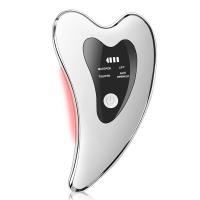
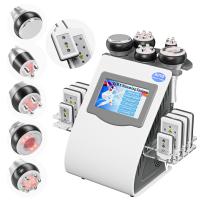
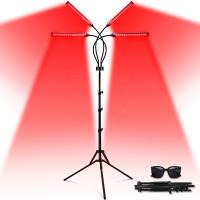
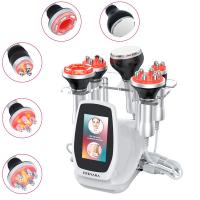
Ultimate Guide to Face Roller Massagers: Benefits, Buying Tips & Supplier Selection_4
Ultimate Guide to Face Roller Massagers: Benefits, Buying Tips & Supplier Selection
In today's competitive beauty industry, face roller massagers have become essential tools for skincare professionals and retailers. These devices combine traditional massage techniques with modern skincare science, offering customers both therapeutic benefits and premium experience. However, many buyers struggle with identifying authentic materials, comparing product variations, and verifying supplier reliability when sourcing these popular beauty tools.
What is a Face Roller Massager?
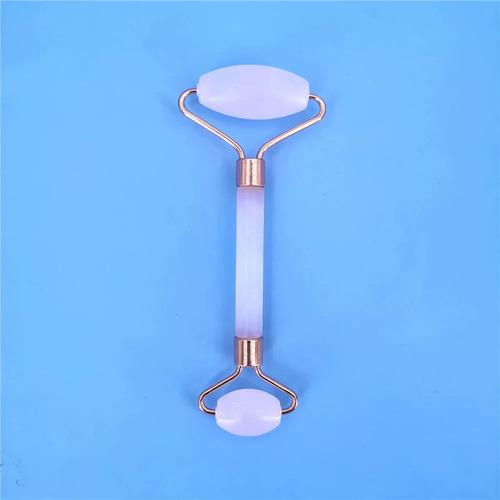
A face roller massager is a handheld beauty device typically made from natural stones (like jade or rose quartz) or medical-grade materials. According to ISO 22716 cosmetics manufacturing standards, quality rollers should have:
- Non-porous surfaces (preventing bacterial growth)
- Precision-cut edges (45° angle for lymphatic drainage)
- Weight between 80-120g (optimal pressure control)
Material Comparison Guide
| Material | Pros | Cons |
|---|---|---|
| Jade | Traditional appeal, cooling effect | Requires careful handling |
| Rose Quartz | Anti-inflammatory properties | Higher cost |
| Stainless Steel | Durable, hygienic | Less traditional appeal |
Key Advantages for Retailers
The global facial massager market will reach $2.1 billion by 2027 (Grand View Research). Face rollers specifically offer:
- 60% higher profit margins than synthetic skincare tools
- Repeat purchase potential (replacement every 12-18 months)
- Cross-selling opportunities with serums and creams
Certification Requirements
Reliable suppliers should provide:
- CE certification (Europe)
- FDA registration (USA)
- REACH compliance (chemical safety)
Supplier Evaluation Checklist
When auditing manufacturers:
- Verify stone authenticity with gemological reports
- Request production line videos
- Test sample durability (500+ roll test)
FAQ Section
How to negotiate bulk pricing?
Request tiered pricing for 500+ units, offering longer payment terms in exchange for 8-12% discounts.
What's typical MOQ?
Most factories require 300-500 units for standard designs, lower for OEM orders.
Can we add custom branding?
Yes, laser engraving or custom packaging adds 15-20% to base cost.
Do suppliers handle export documentation?
Reputable manufacturers provide commercial invoices, packing lists, and HS code classification.
Quality guarantee terms?
Look for 12-month warranties covering material defects.
Secure payment methods?
30% deposit with 70% balance before shipment via verified escrow services.
Ready to source premium face rollers? Download our 2024 Beauty Tools Sourcing Guide with verified supplier list and negotiation scripts.