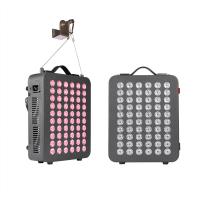
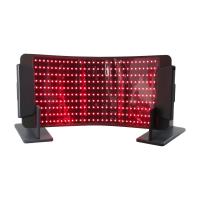
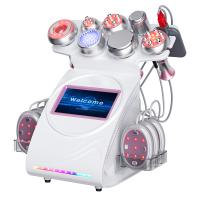
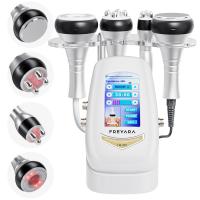
The Ultimate Guide to RF Beauty Devices: Benefits, Technology & Buying Tips_56
The Ultimate Guide to RF Beauty Devices: Benefits, Technology & Buying Tips
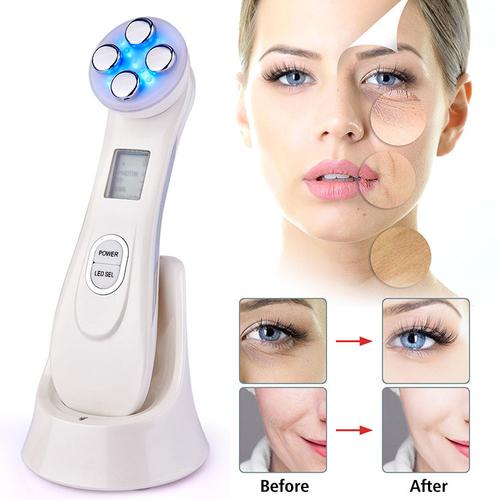
RF (Radio Frequency) beauty devices have become essential tools in the global skincare industry, offering non-invasive solutions for anti-aging and skin rejuvenation. International buyers face challenges in identifying reliable suppliers who meet strict quality standards while maintaining competitive pricing. This comprehensive guide addresses these concerns with data-driven insights.
What Are RF Beauty Devices?
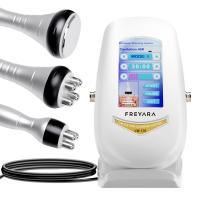
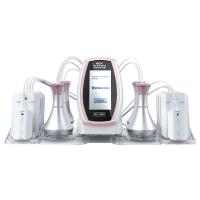
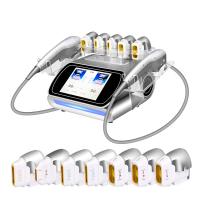
RF beauty devices use controlled radio frequency energy to heat the dermis layer, stimulating collagen production. Key technical specifications include:
- Frequency range: 0.3-10 MHz
- Temperature control: 38-42°C
- Treatment depth: 1.5-3.5mm
International standards require IEC 60601-2-10 certification for medical electrical equipment.
RF vs. Alternative Technologies
| Technology | Advantages | Disadvantages |
|---|---|---|
| RF | Non-invasive, stimulates collagen, FDA cleared | Requires multiple sessions |
| Laser | Precise targeting | Higher risk, downtime |
| Ultrasound | Deeper penetration | Specialist operation needed |
Key Benefits for Professional Use
1. Cost-effective: 60% lower operational cost than laser systems
2. Efficient: 15-minute treatments with visible results
3. Compliant: Meets EU MDR and FDA Class II requirements
Market Trends and Case Study
The global aesthetic devices market will reach $15.9 billion by 2027 (CAGR 6.8%). A German spa chain implemented RF devices across 12 locations, achieving:
- 27% increase in repeat customers
- 42% reduction in client complaints about wrinkles
- ROI within 5 months
Supplier Verification Checklist
- Valid business license and export records
- ISO 13485 certification for medical devices
- CE/FDA documentation
- Third-party test reports
- 12-month warranty minimum
FAQ
How to negotiate bulk pricing?
Request tiered pricing for 50+/100+/300+ units. Most suppliers offer 8-15% discounts for large orders.
What are typical MOQs?
Standard models start at 50 units, though some suppliers accept 20 units for first-time buyers.
Can I get custom branding?
Yes, most manufacturers offer OEM services with minimum 200-unit orders for logo engraving.
Do you handle export documentation?
Reputable suppliers provide commercial invoices, packing lists, and certificates of origin.
How is quality controlled?
Look for suppliers conducting 100% functional testing plus random destructive testing.
What payment terms are secure?
30% deposit with 70% balance before shipment is industry standard. Consider escrow for new suppliers.
Ready to source premium RF beauty devices? Download our complete buyer's guide with verified supplier list and technical comparison charts.