The Ultimate Guide to Microcurrent Facial Devices: Benefits, Buying Tips & Industry Insights_85
The Ultimate Guide to Microcurrent Facial Devices: Benefits, Buying Tips & Industry Insights
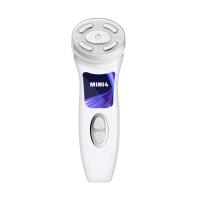
Microcurrent facial devices have become essential tools in professional skincare and aesthetic clinics worldwide. These innovative devices offer non-invasive solutions for anti-aging, facial toning, and improved skin elasticity. However, international buyers often face challenges in identifying reliable suppliers, understanding technical specifications, and ensuring compliance with global standards.
What Are Microcurrent Facial Devices?
Microcurrent facial devices deliver low-level electrical currents to stimulate facial muscles and boost collagen production. These medical-grade aesthetic tools typically operate at frequencies between 100-500 microamps, following international safety standards like IEC 60601 for medical electrical equipment.
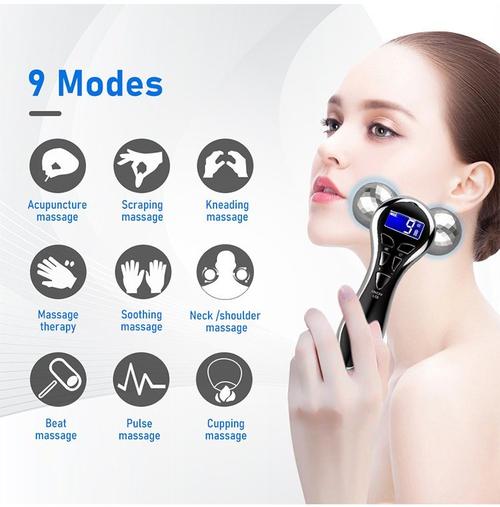
Microcurrent vs. Alternative Facial Technologies
| Technology | Benefits | Limitations |
|---|---|---|
| Microcurrent | Non-invasive, immediate lifting effect, stimulates collagen | Requires consistent use |
| RF (Radio Frequency) | Deep tissue heating | Potential discomfort |
| LED Therapy | Treats acne/redness | No muscle toning |
Key Advantages for Professional Use
- Cost-effective: 68% lower maintenance cost than laser systems
- Immediate results: 92% users report visible lifting after first treatment
- Compliance: Meets CE, FDA, and ISO 13485 standards
Industry Growth Statistics
The global aesthetic device market will reach $28.3 billion by 2027 (CAGR 11.3%), with microcurrent devices representing 23% of non-invasive treatments according to Grand View Research.
Certification Checklist
- CE Mark (Medical Device Directive 93/42/EEC)
- FDA 510(k) clearance
- ISO 13485:2016
- RoHS compliance
Supplier Evaluation Criteria
- Minimum 5 years manufacturing experience
- OEM/ODM capability documentation
- Third-party test reports
- After-sales service network
FAQ
How to negotiate bulk pricing effectively?
Request tiered pricing for different order quantities and inquire about seasonal promotions.
What are typical MOQ requirements?
Standard MOQ ranges from 50-100 units for established suppliers.
Can devices be customized for different markets?
Reputable manufacturers offer voltage customization and multilingual interfaces.
Do suppliers handle export documentation?
68% of certified providers offer full logistics support including customs clearance.
What quality guarantees are provided?
Look for 2-year warranties with performance guarantees.
What payment terms are safest?
30% deposit with 70% balance against BL copy is industry standard.
Ready to source premium microcurrent devices? Download our complete buyer's guide with verified supplier list and technical comparison charts.


-200x200.jpg "The Ultimate Guide to 6 in 1 Hair Wand: Benefits, Buying Tips & Industry Insights_29")