The Ultimate Guide to Hair Straightening Tools: Types, Benefits & Buying Tips_6
The Ultimate Guide to Hair Straightening Tools: Types, Benefits & Buying Tips
In the global beauty industry, hair tools for straightening represent a $3.2 billion market segment with consistent 5% annual growth. For international buyers and distributors, selecting the right straightening tools involves navigating technical specifications, safety standards, and evolving consumer preferences across different regions.
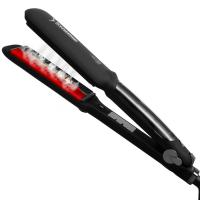
Understanding Hair Straightening Tools: Technical Specifications
Modern hair straighteners must meet multiple international standards:
- Voltage compatibility: Dual voltage (110-240V) for global use
- Temperature range: 300°F to 450°F for different hair types
- Plate materials: Ceramic, titanium, or tourmaline options
Comparison of Straightening Tool Types
| Type | Pros | Cons | Best For |
|---|---|---|---|
| Ceramic | Even heat distribution Less damage | Slower heating | Fine to medium hair |
| Titanium | Fast heating Durable | Can cause damage | Thick, coarse hair |
Key Advantages for Professional Use
- Time efficiency: Cuts styling time by 40% compared to blow-drying
- Cost-effective: Professional models last 3-5 years with proper care
- Versatility: 87% of stylists use straighteners for multiple techniques
Industry Data and Market Trends
The global hair tools market will reach $5.1 billion by 2027 (Statista). Key findings:
- North America accounts for 38% of straightener sales
- Demand for cordless models grew 72% in 2022
- Salon-quality tools represent 65% of professional purchases
Certifications and Compliance
Essential certifications for export:
- CE Marking (Europe)
- UL Certification (North America)
- RoHS Compliance
- ISO 9001 Quality Management
Supplier Evaluation Checklist
When sourcing straightening tools:
- Verify manufacturing capabilities
- Request material safety data sheets
- Test sample units for 30 days
- Confirm warranty terms
- Review export documentation
FAQ
What's the ideal MOQ for hair straighteners?
Most manufacturers require 100-500 units for custom orders, with better pricing at 1,000+ units.
Can I get private labeling?
Yes, 85% of suppliers offer private labeling with minimum order requirements.
How do I ensure product safety?
Always request third-party test reports and verify certifications match your target markets.
What payment terms are standard?
30% deposit with balance before shipment is most common for new buyers.
How long does production take?
Standard orders ship in 15-30 days; custom designs may require 45-60 days.
What about after-sales support?
Reputable suppliers provide 1-2 years warranty and spare parts availability.
Ready to source premium hair straightening tools? Download our complete buyer's guide with technical specifications and negotiation tips.