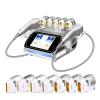

The Ultimate Guide to EMS Fitness Equipment: Benefits, Buying Tips & Market Trends_73
The Ultimate Guide to EMS Fitness Equipment: Benefits, Buying Tips & Market Trends
Electrical Muscle Stimulation (EMS) fitness equipment has emerged as a game-changer in the global fitness industry, with the market projected to reach $1.2 billion by 2027 (Grand View Research). This technology delivers targeted electrical impulses that trigger deep muscle contractions, achieving in 20 minutes what traditional workouts accomplish in 90 minutes.
Understanding EMS Technology
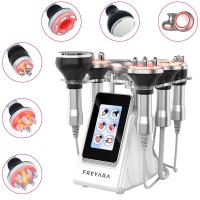
Modern EMS fitness equipment operates at frequencies between 20-150Hz, with medical-grade devices complying with IEC 60601-2-10 safety standards. Key components include:
- Adjustable intensity controls (typically 1-100 levels)
- Multi-channel output for full-body training
- Pre-programmed workout routines
EMS vs Traditional Fitness Equipment
| Feature | EMS | Traditional |
|---|---|---|
| Time Efficiency | 20 min sessions | 60-90 min sessions |
| Muscle Activation | 90% fibers engaged | 30-50% fibers engaged |
Certification Requirements
Reputable EMS equipment should carry:
- CE Mark (Medical Device Directive 93/42/EEC)
- ISO 13485:2016
- FCC Part 15 Subpart B
Supplier Evaluation Checklist
When sourcing EMS fitness equipment:
- Verify factory audit reports (SGS/BV)
- Request third-party test certificates
- Confirm warranty terms (minimum 2 years)
Emerging Market Opportunities
Germany's FitX chain reported 37% membership growth after implementing EMS stations. Key growth regions:
- North America (CAGR 8.9%)
- Asia-Pacific (CAGR 12.3%)
FAQ Section
What's the typical MOQ for EMS equipment?
Most manufacturers require 50-100 units for standard models, with lower MOQs available for OEM partners.
Can EMS devices be customized?
Yes, leading suppliers offer:
- Branding options
- Software modifications
- Voltage adjustments
Ready to upgrade your fitness offerings? Download our EMS Equipment Buyer's Guide with technical specifications and supplier comparison matrices.