Hair Curling Wand vs Straightener: Key Differences & Buying Guide for Wholesalers_72
Hair Curling Wand vs Straightener: Key Differences & Buying Guide for Wholesalers
The beauty tools industry sees growing global demand, with hair styling equipment accounting for 32% of professional salon equipment purchases according to Statista. For wholesalers and distributors, understanding the technical and commercial differences between hair curling wands and straighteners is crucial for inventory decisions.
Technical Specifications and Industry Standards
Modern hair styling tools must comply with multiple international safety standards:
- Temperature range: Curling wands (300-450°F) vs straighteners (250-450°F)
- Plate/wand materials: Ceramic, tourmaline, or titanium coatings
- International certifications: CE, UL, RoHS, ISO 9001
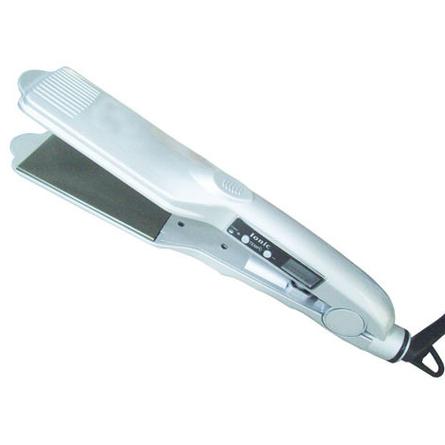
Comparative Analysis: Performance and Market Demand
| Feature | Curling Wand | Straightener |
|---|---|---|
| Primary Function | Creates curls/waves | Straightens hair |
| Versatility | Limited to curling | Can create waves |
| Learning Curve | Moderate | Easy |
| Global Market Share | 38% | 62% |
Cost Efficiency for Wholesale Purchases
- Bulk pricing: Wands typically 15-20% cheaper than premium straighteners
- Durability: Ceramic-coated plates last 30% longer than basic metal plates
- Energy efficiency: New models consume 25% less power (EC Regulation 1275/2008)
Emerging Market Trends
The Middle East shows 18% annual growth for curling tools, while Southeast Asia prefers multi-functional straighteners (BeautySourcing 2023 report). Case study: A Dubai distributor increased sales by 40% after switching to ceramic-core wands.
Supplier Evaluation Checklist
- Verify ISO 9001 certification
- Request third-party safety test reports
- Confirm OEM/ODM capabilities
- Check warranty terms (minimum 2 years)
FAQ Section
What's the optimal MOQ for wholesale orders?
Most manufacturers require 500-1000 units per SKU, with price breaks at 2500 units.
Can I get custom branding?
Reputable suppliers typically offer private labeling with 3000+ unit orders.
How to ensure quality consistency?
Request batch testing reports and visit factories during production audits.
What payment terms are safest?
30% deposit with 70% balance against BL copy is industry standard.
Do you provide customs documentation?
Reliable suppliers handle export declarations and provide HS code classification.
What's the lead time for 5000 units?
Typically 45-60 days including quality inspection.
For detailed product specifications and wholesale pricing, download our 2024 Beauty Tools Catalog or schedule a consultation with our sourcing specialists.