Ultrasound Machine Buying Guide 2024: How to Choose the Best Medical Imaging Equipment_57
The Ultimate Guide to Ultrasound Machines in 2024
The global ultrasound equipment market is projected to reach $11.5 billion by 2027, growing at 6.8% CAGR (Grand View Research). As medical facilities worldwide upgrade their diagnostic capabilities, choosing the right ultrasound machine becomes critical for accurate patient assessments. This comprehensive guide addresses the key challenges buyers face when selecting between different types of ultrasound systems and provides actionable insights for making informed purchasing decisions.
Ultrasound Machine Procurement Guide
When evaluating ultrasound equipment, consider these essential factors:
| Feature | Portable Ultrasound | Stationary Ultrasound |
|---|---|---|
| Image Quality | Good (8-12MHz) | Excellent (15-18MHz) |
| Portability | High | Low |
7 Must-Check Features for Cardiac Ultrasound Machines
- Doppler imaging capabilities
- Transducer frequency range
- DICOM compatibility
Technical Specifications Explained
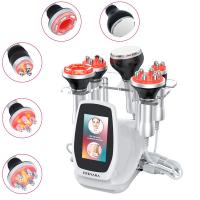
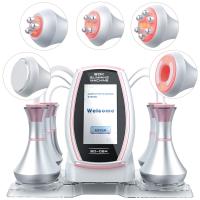
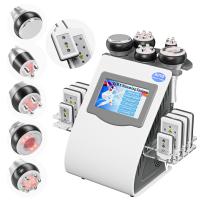
Modern ultrasound machines typically operate at frequencies between 2-18MHz. Higher frequencies provide better resolution for superficial structures, while lower frequencies penetrate deeper tissues. The image below demonstrates how different probes are used for various applications:

Industry Trends and Regional Demand
North America currently dominates the ultrasound market (38% share), while Asia-Pacific shows the fastest growth (8.2% CAGR). New regulations like the FDA's 510(k) clearance process impact machine approvals.
Frequently Asked Questions
Can ultrasound machines be used for physiotherapy?
Yes, therapeutic ultrasound machines operate at different frequencies (typically 1-3MHz) for pain management and tissue healing.
What certifications are required?
Most countries require CE (Europe), FDA (USA), or CFDA (China) certifications for medical use.