The Ultimate Guide to Sourcing High-Quality Beauty Appliances in 2024_75
The Ultimate Guide to Sourcing High-Quality Beauty Appliances in 2024
The global beauty appliance market continues to expand rapidly, with professionals and consumers alike demanding innovative, reliable equipment. As international buyers navigate this competitive landscape, understanding technical specifications, compliance standards, and supplier evaluation becomes crucial for making informed purchasing decisions.
Understanding Beauty Appliances: Definitions and Technical Standards
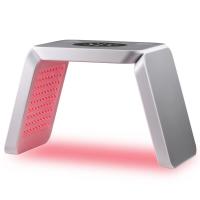
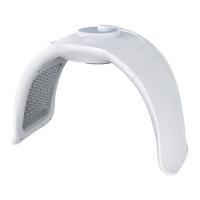
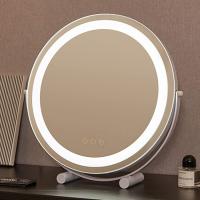
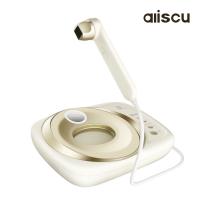
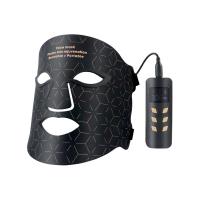
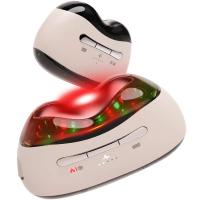
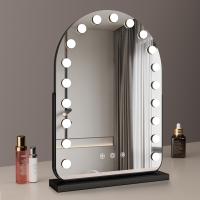
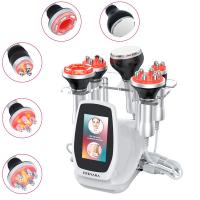
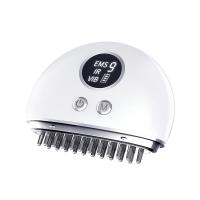
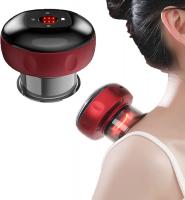
Modern beauty appliances encompass a wide range of professional-grade devices designed for hair care, skin treatment, and personal grooming applications. These products must meet stringent international safety and performance requirements.
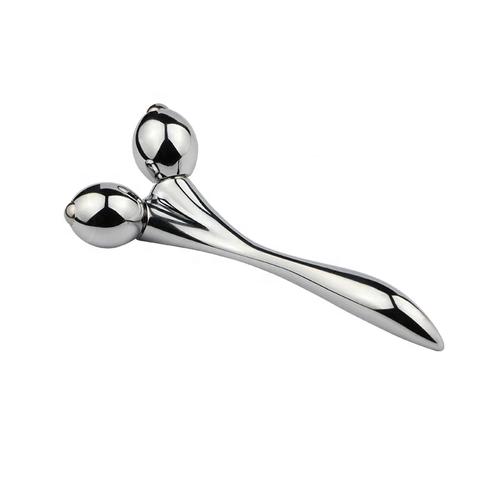
Key Technical Specifications:
- Voltage compatibility: Dual voltage (110V-240V) for global use
- Power output: Measured in watts for different treatment intensities
- Material safety: FDA-grade plastics and hypoallergenic components
- Treatment precision: Adjustable settings for professional results
Comparative Analysis: Beauty Appliances vs. Alternative Solutions
| Feature | Professional Appliances | Consumer-grade Devices |
|---|---|---|
| Durability | 3-5 year lifespan | 1-2 year lifespan |
| Treatment Efficacy | Clinical-grade results | Basic functionality |
| Safety Certifications | CE, UL, RoHS compliant | Limited certifications |
Cost Efficiency and Compliance Advantages
- Bulk purchase discounts: Average 15-30% savings on wholesale orders
- Energy efficiency: New models consume 25% less power than 2020 versions
- Customs clearance: Pre-certified devices reduce import delays by 40%
Industry Growth and Market Opportunities
The professional beauty equipment sector is projected to grow at 6.8% CAGR through 2027 (Statista). Emerging markets in Southeast Asia and Latin America show particular demand for multifunctional devices that combine hair and skin treatment capabilities.
Essential Certifications for Global Distribution
- CE Marking (European Conformity)
- UL Certification (North America)
- RoHS Compliance (Restriction of Hazardous Substances)
- ISO 9001:2015 Quality Management
Supplier Evaluation Checklist
- Verify manufacturing facility audits
- Request sample testing reports
- Confirm after-sales service terms
- Review export documentation history
FAQ
What negotiation strategies work best for beauty appliance purchases?
Consider volume-based pricing tiers and long-term partnership discounts. Many suppliers offer better terms for repeat orders.
What are typical MOQ requirements?
Standard MOQs range from 50-200 units depending on device complexity, though some suppliers offer lower quantities for sample orders.
Can I request custom branding?
Most OEM manufacturers provide private labeling services with minimum order commitments.
Do suppliers handle international shipping?
Reputable suppliers typically arrange door-to-door logistics including customs clearance support.
What quality guarantees should I expect?
Look for at least 12-month warranties and third-party testing documentation.
What payment terms are standard?
30% deposit with balance before shipment is common, though established relationships may qualify for net-30 terms.
Ready to source premium beauty appliances? Download our complete buyer's guide with verified supplier profiles and technical comparison charts.