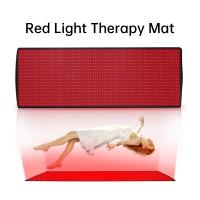
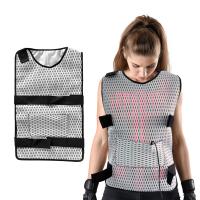
The Ultimate Guide to Red Light Therapy Devices: Benefits, Buying Tips & Industry Insights_46
The Ultimate Guide to Red Light Therapy Devices: Benefits, Buying Tips & Industry Insights
Red light therapy devices have become essential tools in both wellness and medical industries worldwide. As global demand grows, importers face challenges in identifying reliable manufacturers that meet international quality standards while maintaining competitive pricing. This guide provides comprehensive insights to help you make informed purchasing decisions.
What Are Red Light Therapy Devices?
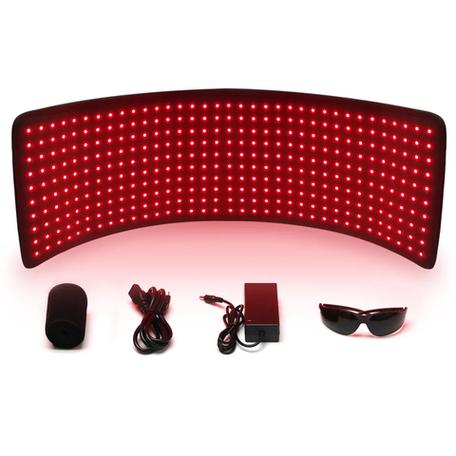
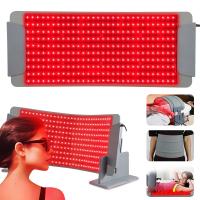
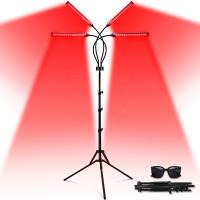
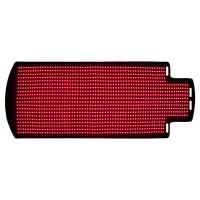
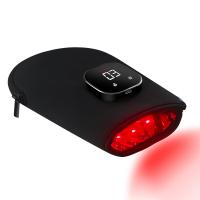
Red light therapy devices use specific wavelengths (typically 630-850nm) to stimulate cellular energy production through photobiomodulation. These non-invasive devices deliver therapeutic benefits without UV radiation.
Key Technical Specifications
- Wavelength range: 630-850nm (clinical grade devices use 660nm and 850nm)
- Power density: 50-200mW/cm² for optimal results
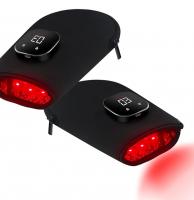
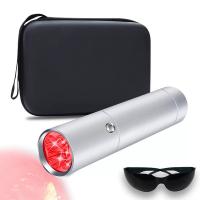
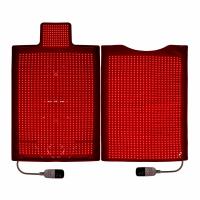
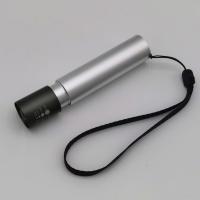
- Treatment area: Varies from handheld units to full-body panels
Red Light Therapy vs. Alternative Treatments
| Treatment | Pros | Cons |
|---|---|---|
| Red Light Therapy | Non-invasive, painless, no downtime | Requires consistent use |
| Laser Therapy | Deep tissue penetration | Higher cost, professional supervision needed |
Industry Growth & Market Data
The global red light therapy market is projected to reach $1.3 billion by 2027 (CAGR 5.2%). Key drivers include:
- Growing demand in dermatology clinics (+28% since 2020)
- Increased adoption by professional athletes
- Expansion into home wellness markets
Certification Requirements
Reputable manufacturers should provide:
- ISO 13485 (Medical Devices Quality Management)
- CE Marking (EU compliance)
- FDA Registration (for Class II devices)
- RoHS Compliance (Restriction of Hazardous Substances)
Supplier Evaluation Checklist
- Verify manufacturing facility audits
- Request third-party test reports
- Confirm warranty terms (minimum 2 years)
- Evaluate customization capabilities
FAQs
What negotiation strategies work best?
Focus on long-term partnership potential rather than single-order discounts. Consider volume commitments for better pricing.
What are typical MOQs?
Standard models start at 100 units, while customized devices may require 500+ units.
Can I get private label options?
Most manufacturers offer OEM services with minimum branding requirements.
Do suppliers handle export documentation?
Reliable partners typically manage commercial invoices, packing lists, and certificates of origin.
How is quality controlled?
Look for suppliers with in-house testing labs and batch inspection protocols.
What payment terms are standard?
30% deposit with balance before shipment is common for new clients. LC terms available for large orders.
Conclusion
Selecting the right red light therapy device supplier requires careful evaluation of technical capabilities and quality systems. Download our complete buyer's guide for detailed specifications and vendor comparison templates.
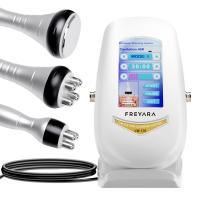
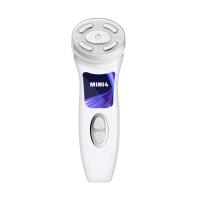
-200x200.jpg "The Ultimate Guide to 6 in 1 Hair Wand: Benefits, Buying Tips & Industry Insights_29")