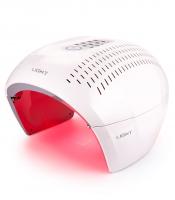
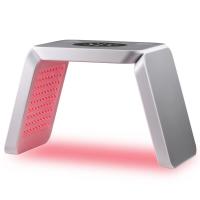
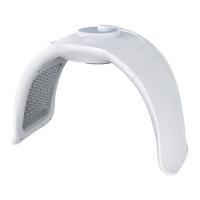
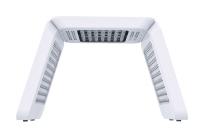
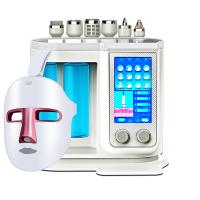
The Ultimate Guide to Professional Beauty Devices: Features, Benefits & Buying Tips_41
The Ultimate Guide to Professional Beauty Devices: Features, Benefits & Buying Tips
The global professional beauty device market is projected to reach $9.5 billion by 2027, growing at 12.3% CAGR (Grand View Research). As salon owners and estheticians seek advanced solutions, understanding these devices' technical specifications and procurement strategies becomes critical for business success.
What Defines a Professional Beauty Device?
Professional beauty devices are medical-grade equipment designed for commercial use in salons, spas, and dermatology clinics. Unlike consumer models, they feature:
- Higher power output (RF machines typically 1-5MHz vs. 0.3-1MHz for home use)
- Clinical-grade materials (medical stainless steel tips, FDA-approved polymers)
- Modular functionality (interchangeable handpieces for multi-treatment capabilities)
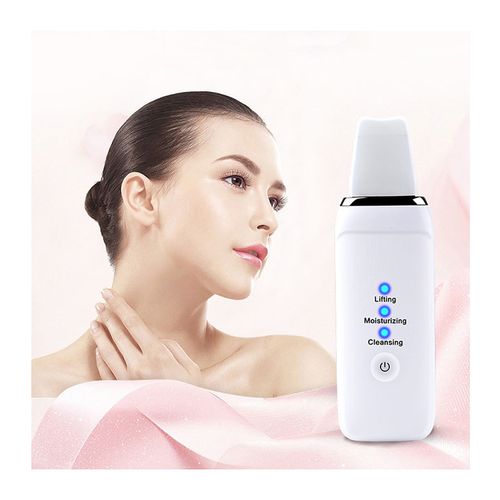
Key International Standards & Certifications
| Standard | Coverage | Relevance |
|---|---|---|
| ISO 22716 | Cosmetics GMP | Manufacturing hygiene |
| FDA 510(k) | Medical devices | US market clearance |
| CE MDD | EU compliance | European distribution |
Cost-Benefit Analysis: Professional vs Consumer Devices
- Treatment speed: Professional devices complete facial treatments 40-60% faster
- Client retention: 78% of salons report increased repeat business after upgrading equipment
- ROI period: Typical break-even within 4-7 months for mid-range devices
Supplier Evaluation Checklist
- Verify manufacturing facility audits (SGS/TUV reports)
- Request 3+ client references in your target market
- Confirm spare parts availability (minimum 5-year support)
- Review warranty terms (industry standard: 1-2 years)
Emerging Market Opportunities
Case Study: A Dubai-based salon chain increased revenue by 32% after implementing advanced hydrafacial devices from our recommended supplier, with client satisfaction scores improving from 4.2 to 4.8/5 within six months.
FAQ Section
How to negotiate bulk pricing effectively?
Request tiered pricing for different MOQ levels (50/100/200 units) and consider annual purchase commitments for additional 5-8% discounts.
What's the typical MOQ for OEM orders?
Most manufacturers require 50-100 units for custom branding, though some may accept 25 units for standard configurations.
Can I get devices customized for my local voltage?
Reputable suppliers offer dual-voltage (110V/220V) options or region-specific configurations at minimal cost.
Do suppliers handle export documentation?
85% of professional beauty device manufacturers provide complete EXW/FOB documentation including CE certificates and customs declarations.
What quality tests should I request?
Insist on seeing IPX7 waterproof testing results, material safety certificates, and clinical trial data (for class II medical devices).
Are escrow payments available?
Most suppliers accept 30% deposit with balance via TT or LC, while some offer Alibaba Trade Assurance for added protection.
Ready to upgrade your salon equipment? Download our 2024 Professional Beauty Device Buyer's Guide with comparative technical specifications from top manufacturers.