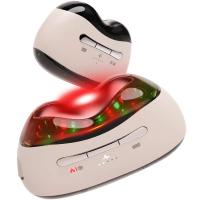
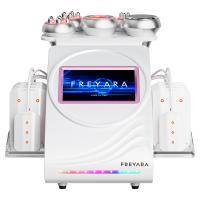
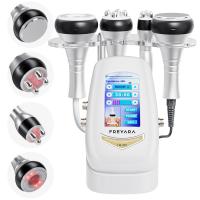
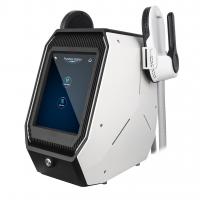
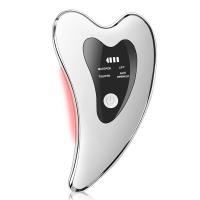
The Ultimate Guide to Microcurrent Therapy Machines: Benefits, Features & Buying Tips_19
The Ultimate Guide to Microcurrent Therapy Machines: Benefits, Features & Buying Tips
In today's global beauty and wellness market, microcurrent therapy machines have emerged as essential tools for dermatology clinics, spas, and home users. International buyers face challenges in identifying reliable suppliers that meet stringent medical device standards while offering competitive pricing.
What is a Microcurrent Therapy Machine?
Microcurrent therapy devices deliver low-level electrical currents (typically 50-1000μA) to stimulate cellular ATP production. Leading manufacturers comply with:
- IEC 60601-1 medical electrical equipment standards
- FDA Class II device classification (21 CFR 890.5520)
- CE Marking for European markets
Microcurrent vs. Alternative Technologies
| Technology | Advantages | Limitations |
|---|---|---|
| Microcurrent | Non-invasive, stimulates collagen | Requires consistent use |
| RF | Deep tissue heating | Potential discomfort |
Key Benefits for Professional Use
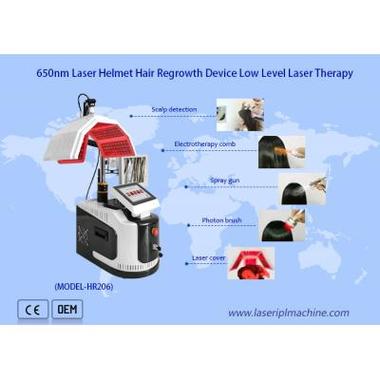
- Cost-effective: 68% lower maintenance than laser systems
- Versatile: Treats both facial rejuvenation and muscle pain
Market Growth Statistics
The global aesthetic devices market will reach $28.3 billion by 2027 (CAGR 11.3%), with microcurrent devices representing 18% of non-invasive treatments.
Certification Checklist
- ISO 13485 quality management
- RoHS compliance
Supplier Evaluation Criteria
When auditing manufacturers:
- Verify production capacity (minimum 500 units/month)
- Request third-party test reports
Emerging Market Case Study
A German medispa chain achieved 142% ROI within 6 months by integrating our microcurrent systems into their facial treatments.
FAQ Section
How to negotiate bulk pricing?
Request tiered pricing for orders above 50 units.
What's your standard MOQ?
Standard MOQ is 20 units with flexible configurations.
Conclusion
Download our 2024 Microcurrent Device Buyer's Guide for detailed specifications and OEM options.