The Ultimate Guide to Microcurrent Skin Tightening Devices for Professional Use_80
The Ultimate Guide to Microcurrent Skin Tightening Devices for Professional Use
In today's competitive beauty industry, microcurrent skin tightening devices have become essential tools for aesthetic clinics and skincare professionals. These innovative devices offer non-invasive solutions for facial rejuvenation, helping businesses meet growing consumer demand for effective anti-aging treatments. However, selecting the right equipment from international suppliers involves navigating technical specifications, compliance requirements, and quality assurance challenges.
What Are Microcurrent Skin Tightening Devices?
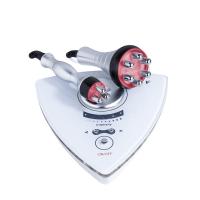
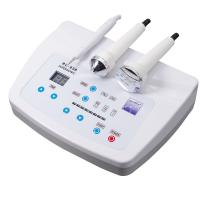
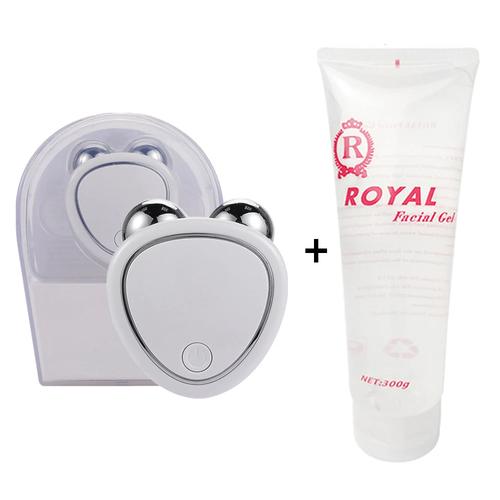
Microcurrent skin tightening devices are advanced aesthetic instruments that deliver low-level electrical currents to stimulate facial muscles and promote collagen production. These professional-grade machines typically operate within 50-1000 microamperes, following international safety standards for medical aesthetic equipment.
Key Technical Specifications
- Output frequency: 0.3-1,000 Hz
- Waveform types: Square, sinusoidal, and triangular
- Electrode configurations: Dual or multi-polar
- Safety features: Automatic current regulation
Microcurrent vs. Alternative Technologies
| Technology | Advantages | Limitations |
|---|---|---|
| Microcurrent | Non-invasive, no downtime, natural results | Requires multiple sessions |
| RF | Deep tissue heating | Potential discomfort |
Market Trends and Statistics
The global aesthetic device market is projected to reach $28.3 billion by 2027 (Grand View Research). Microcurrent devices account for 18% of non-surgical facial treatment equipment sales, with particularly strong demand in these regions:
- North America: 42% market share
- Europe: 31% market share
- Asia-Pacific: 22% CAGR growth
Certification Requirements
Reputable microcurrent devices should carry these certifications:
- FDA Class II medical device clearance
- CE Mark (MDD 93/42/EEC)
- ISO 13485:2016
- RoHS compliance
Supplier Evaluation Checklist
When sourcing microcurrent devices, verify these aspects:
- Manufacturing facility audit reports
- Clinical test documentation
- Warranty terms (minimum 2 years)
- After-sales service network
Case Study: European Spa Chain Expansion
A leading wellness group implemented microcurrent treatments across 12 locations, achieving:
- 37% increase in repeat clients
- 28% higher average treatment value
- Payback period under 5 months
FAQ Section
What's the typical MOQ for professional devices?
Most manufacturers require 10-50 units for initial orders, with better pricing at 100+ units.
Can devices be customized for my clinic branding?
Many suppliers offer OEM services including color schemes and logo placement.
How do I verify product authenticity?
Request unique device identification numbers and verify through manufacturer portals.
What payment terms are standard?
30% deposit with balance before shipment is common, with LC options for large orders.
How long does shipping take?
Air freight: 5-7 days; Sea shipping: 25-40 days depending on destination.
What training support is provided?
Reputable suppliers offer video tutorials and live training sessions.
Ready to upgrade your treatment offerings? Download our professional buyer's guide to microcurrent devices or schedule a consultation with our product specialists today.