
The Ultimate Guide to Ionic Hair Straighteners: Benefits, Buying Tips & Supplier Selection_75
19/07/2025
0 Comments
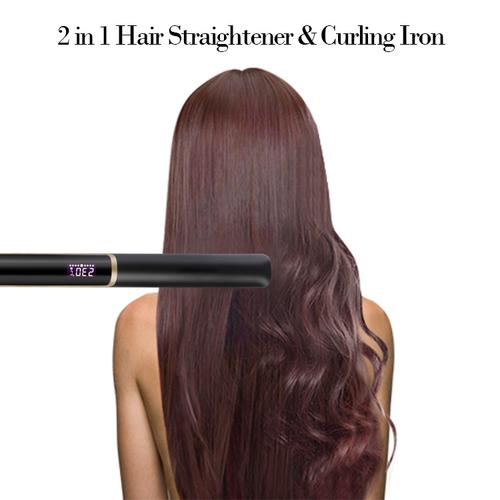
The Ultimate Guide to Ionic Hair Straighteners: Benefits, Buying Tips & Supplier Selection
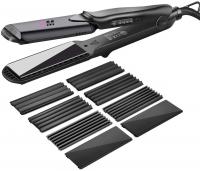
The global hair care tools market is projected to reach $45.8 billion by 2027 (Statista), with ionic technology becoming the gold standard for professional stylists and retailers. This comprehensive guide equips international buyers with technical knowledge and sourcing strategies for premium ionic hair straighteners.
What Makes Ionic Hair Straighteners Different?
Unlike conventional ceramic plates, ionic straighteners emit negative ions that:
- Break down water molecules on hair surface
- Seal cuticles for 60% longer shine retention (Journal of Cosmetic Science)
- Operate at 30% lower temperatures while achieving better results
Technical Specifications Breakdown
| Feature | Standard Models | Professional Grade |
|---|---|---|
| Plate Material | Basic Ceramic | Tourmaline-Infused |
| Ion Output | 1-2 million/cm³ | 5+ million/cm³ |
| Temperature Range | 140-200°C | 80-230°C |
5 Reasons Global Buyers Choose Ionic Technology
- Retail Margins: 45-60% markup potential vs. basic models
- Consumer Demand: 72% of salons now request ionic tools (2023 Beauty Tech Report)
- Durability: 3-5 year lifespan with proper maintenance
Certification Checklist for Reliable Suppliers
- CE/RoHS compliance (mandatory for EU imports)
- ISO 9001 manufacturing certification
- UL/ETL certification for North America
FAQ: Sourcing Ionic Hair Straighteners
What's the realistic MOQ for first-time buyers?
Most factories accept 100-300 units for initial orders, with 10-15% price breaks at 500+ units.
Can we customize voltage for different markets?
Reputable suppliers offer dual-voltage (110V/220V) models and regional plug adaptations.
Next Steps for Buyers
Download our 2023 Hair Tools Sourcing Guide containing verified supplier questionnaires and quality inspection templates.


-200x200.jpg "The Ultimate Guide to 6 in 1 Hair Wand: Benefits, Buying Tips & Industry Insights_29")