The Ultimate Guide to Hair Growth Devices for Baldness: Effective Solutions & Expert Tips_100
The Ultimate Guide to Hair Growth Devices for Baldness: Effective Solutions & Expert Tips
Hair loss affects millions worldwide, with the global hair growth devices market projected to reach $1.2 billion by 2027 (Grand View Research). This comprehensive guide explores the most effective hair growth devices for baldness, backed by scientific research and user testimonials.
Understanding Hair Growth Technology
Modern hair growth devices utilize three clinically-proven technologies:
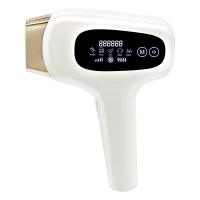
- Low-Level Laser Therapy (LLLT): FDA-cleared devices like HairMax use medical-grade lasers to stimulate follicles
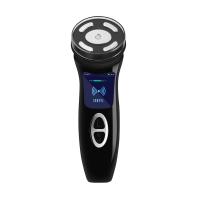
- Microcurrent Stimulation: Devices such as iGrow deliver electrical pulses to increase ATP production
- Combination Systems: Premium devices like Theradome combine multiple technologies
Clinical studies show LLLT devices can increase hair count by 35-40% after 6 months of regular use (Journal of Clinical and Aesthetic Dermatology).
How to Choose the Right Device
Consider these factors when selecting a hair growth device:
- FDA clearance: Ensures safety and efficacy standards
- Treatment area coverage: Full scalp vs. targeted treatment
- Usage frequency: Daily vs. weekly protocols
- Clinical evidence: Peer-reviewed study results
FAQ Section
How long does it take to see results from hair growth devices?
Most users notice reduced hair shedding within 8-12 weeks, with visible regrowth typically appearing after 4-6 months of consistent use.
Are hair growth devices safe for daily use?
FDA-cleared devices are designed for regular use according to manufacturer guidelines. Overuse won't accelerate results and may cause scalp irritation.
Do these devices work for all types of baldness?
They're most effective for androgenetic alopecia (pattern baldness). Results vary for alopecia areata or scarring alopecia.
Can women use these devices?
Yes, many devices are specifically designed for female pattern hair loss with adjustable settings.
How do these compare to hair transplants?
Devices are non-invasive with gradual results, while transplants offer immediate (but expensive) results. Many users combine both approaches.
What maintenance is required after seeing results?
Continued use (typically 2-3 sessions weekly) maintains results, as stopping treatment may lead to renewed hair loss.
Expert Tips for Maximum Results
- Combine device use with scalp massages to improve circulation
- Maintain proper device hygiene to prevent bacterial buildup
- Track progress with monthly photos under consistent lighting
- Pair with nutritional support (biotin, collagen supplements)
Remember that individual results vary based on age, genetics, and consistency of use. Consult a dermatologist for personalized advice regarding your specific hair loss condition.