The Ultimate Guide to At-Home Laser Hair Removal: Safe & Effective Solutions_89
The Ultimate Guide to At-Home Laser Hair Removal: Safe & Effective Solutions
As global demand for convenient beauty solutions grows, at-home laser hair removal devices have become a game-changer in the personal care industry. International buyers face challenges in identifying clinically-proven technologies amidst a sea of substandard products. This guide provides data-driven insights to make informed procurement decisions.
1. Defining At-Home Laser Hair Removal Technology
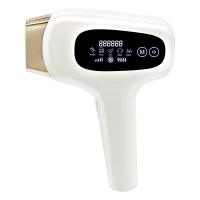
Modern devices use either IPL (Intense Pulsed Light) or diode laser technology, with FDA-cleared systems delivering 22-25J/cm² energy for permanent results. Key specifications international buyers should verify:
- Wavelength range: 600-1100nm for effective melanin targeting
- Pulse duration: 10-100ms for safe epidermal protection
- FDA/CE/MDR certification: Essential for market compliance
2. Professional vs At-Home Devices: Comparative Analysis
| Feature | Clinical Devices | At-Home Systems |
|---|---|---|
| Energy Output | 60-100J/cm² | 3-25J/cm² |
| Treatment Depth | 4-6mm | 1-3mm |
| Session Frequency | Every 4-6 weeks | Weekly/bi-weekly |
3. Cost-Benefit Advantages for Resellers
- 60% lower operational costs than salon equipment
- 5-year lifespan with proper maintenance
- CE/FDA/ROHS certified models reduce import risks
4. Market Data & Growth Projections
According to Statista, the global home-use devices market will reach $2.3 billion by 2027, with 11.4% CAGR. Emerging markets show particular demand:
- Middle East: 23% growth in beauty tech imports
- Europe: 68% prefer CE-marked devices
- North America: FDA clearance increases buyer confidence by 41%
5. Supplier Evaluation Checklist
- Verify ISO 13485 manufacturing certification
- Request clinical trial reports
- Confirm warranty terms (minimum 2 years)
- Check export documentation compliance
FAQ Section
1. How to negotiate bulk pricing effectively?
Request tiered pricing for 100+ units and inquire about seasonal promotions. Most manufacturers offer 15-20% discounts for container loads.
2. What are typical MOQ requirements?
Standard MOQs range from 50-200 units depending on customization. Some suppliers offer mixed-SKU containers at 500+ units.
3. Can devices be customized for different markets?
Yes, common modifications include voltage adjustments (110V/220V), multilingual manuals, and region-specific safety certifications.
4. Do suppliers handle export documentation?
Reputable manufacturers provide full export packs including commercial invoices, packing lists, and certificates of origin.
5. What quality guarantees should I expect?
Demand 12-24 month warranties with clear repair/replacement terms. Third-party inspection reports (SGS/BV) add assurance.
6. Are secure payment terms available?
Standard options include 30% deposit with 70% balance before shipment, or LC at sight for new partnerships.
For detailed product specifications and wholesale inquiries, download our complete buyer's guide or schedule a consultation with our export specialists.