RF Signal Generator: Essential RF Instrument for Wireless Testing_99
RF instruments are essential tools in wireless communication, enabling precise measurement and analysis of radio frequency signals. These devices play a crucial role in industries like telecommunications, aerospace, and defense.
Table of Contents
1. RF signal generator2. RF power meter
3. RF spectrum analyzer
4. RF test equipment
1. RF signal generator
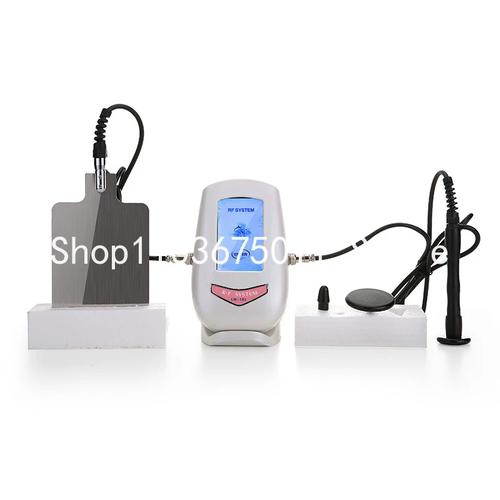
RF signal generators are fundamental RF instruments used to create radio frequency signals for testing and development purposes. These devices produce stable, precise signals across a wide frequency range, typically from kHz to GHz. Modern RF signal generators offer advanced features like modulation capabilities (AM, FM, PM), sweep functions, and digital interfaces for automated testing. They are indispensable in wireless communication system design, component testing, and receiver sensitivity measurements. When selecting an RF signal generator, consider factors such as frequency range, output power, phase noise, and modulation capabilities to ensure it meets your specific testing requirements.
2. RF power meter
RF power meters are critical instruments for measuring the power of radio frequency signals. These devices provide accurate power measurements across various frequency bands, helping engineers verify transmitter output, antenna performance, and signal strength. Modern RF power meters come in different types, including thermocouple-based, diode-based, and digital models, each offering specific advantages in terms of accuracy, dynamic range, and measurement speed. Some advanced models can measure peak power, average power, and even perform statistical analysis of signal power variations. For accurate measurements, proper calibration and consideration of factors like impedance matching and connector types are essential.
3. RF spectrum analyzer
RF spectrum analyzers are powerful tools for visualizing and analyzing the frequency spectrum of RF signals. These instruments display signal amplitude versus frequency, allowing engineers to identify signal characteristics, interference sources, and spectral purity. Modern spectrum analyzers come in various forms, including swept-tuned, real-time, and vector signal analyzers, each suited for different applications. Key specifications to consider when choosing a spectrum analyzer include frequency range, resolution bandwidth, dynamic range, and phase noise performance. These instruments are widely used in wireless communication system design, EMI testing, and signal integrity analysis.
4. RF test equipment
RF test equipment encompasses a wide range of instruments used for measuring and analyzing radio frequency signals and components. This category includes not only signal generators, power meters, and spectrum analyzers but also network analyzers, impedance analyzers, and field strength meters. A comprehensive RF test setup often requires multiple instruments working together to characterize devices under test fully. Modern RF test equipment increasingly incorporates advanced features like vector network analysis, real-time spectrum analysis, and automated test sequences. When building an RF test system, consider factors such as measurement accuracy, frequency coverage, and the ability to integrate with other instruments through standard interfaces like GPIB, USB, or Ethernet.
Understanding RF instruments is crucial for anyone working with wireless technologies. From signal generators that create precise test signals to spectrum analyzers that reveal signal characteristics, these tools form the backbone of RF measurement and testing. Whether you're designing new wireless devices, troubleshooting existing systems, or conducting compliance testing, having the right RF test equipment can make all the difference in obtaining accurate, reliable results. Explore our range of high-quality RF instruments to find the perfect solution for your testing needs.
In conclusion, RF instruments are indispensable tools in modern wireless communication and testing. From generating precise signals to analyzing complex RF environments, these devices enable engineers to develop and maintain reliable wireless systems. By understanding the capabilities and applications of different RF instruments, professionals can make informed decisions when selecting equipment for their specific testing requirements.