Radiofrequency Machine for Weight Loss Ultimate Guide 2024: How to Choose the Best Body Contouring Device_17
Radiofrequency Machine for Weight Loss: The 2024 Expert Buying Guide
The global market for non-surgical fat reduction devices is projected to reach $14.9 billion by 2027, with radiofrequency technology leading this growth. As consumers increasingly seek alternatives to liposuction, understanding how to select the right radiofrequency machine for weight loss becomes crucial. This comprehensive guide will walk you through technical specifications, purchasing considerations, and emerging industry trends.
The Ultimate Radiofrequency Machine Buying Guide
When investing in radiofrequency equipment for body contouring, these seven features are non-negotiable:
- Dual-frequency technology (40.68MHz + 1MHz)
- Adjustable temperature control (38-42°C optimal range)
- FDA/Cleared safety certifications
- At least 300W power output
- Real-time temperature monitoring
- Multi-polar electrode configuration
- Ergonomic handpiece design
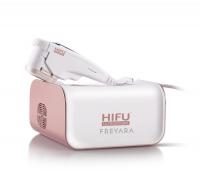
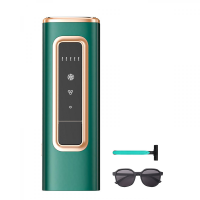
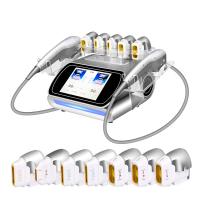
Professional vs Home-Use Machines: Key Differences
| Feature | Professional Grade | Home Devices |
|---|---|---|
| Power Output | 300-600W | 50-150W |
| Treatment Depth | Up to 25mm | 8-15mm |
| Session Duration | 30-60 minutes | 15-30 minutes |
| Results Visibility | 3-5 sessions | 8-12 sessions |
Technical Deep Dive: How RF Melts Fat
Radiofrequency waves create controlled thermal injury at the subcutaneous fat layer (typically 10-25mm depth), triggering three biological responses:
- Adipocyte apoptosis (fat cell death)
- Collagen contraction for skin tightening
- Enhanced lymphatic drainage
The optimal frequency spectrum for fat reduction falls between 0.3-10MHz, with most clinical devices operating at 40.68MHz for deeper penetration.
Manufacturing Standards Checklist
- ISO 13485 certification for medical devices
- IEC 60601-1 electrical safety compliance
- CE Marking for European markets
- FDA 510(k) clearance for US import
Industry Trends and Regional Demand
North America currently dominates 42% of the RF device market, while Southeast Asia shows the fastest growth at 18% CAGR. Emerging trends include:
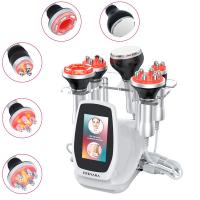
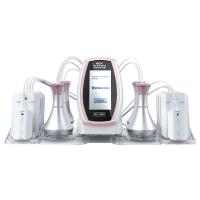
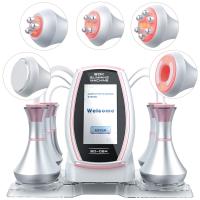
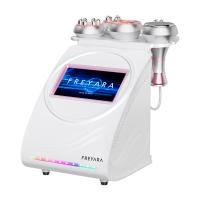
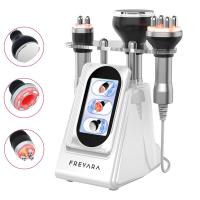
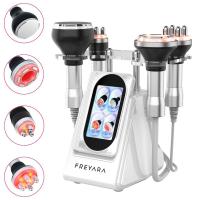
- Combination RF+cavitation systems
- Portable devices with Bluetooth monitoring
- AI-powered temperature regulation
Environmental Considerations
New EU MDR regulations require RoHS compliance for all electronic medical devices, restricting hazardous substances like lead and mercury in RF machine components.
Frequently Asked Questions
Q: Can radiofrequency treat visceral fat?
A: No, RF only addresses subcutaneous fat layers. Visceral fat requires dietary changes and exercise.
Q: What certifications should I verify?
A: For commercial use, insist on FDA 510(k) or CE Class IIa certification. Home devices should at least have FCC and RoHS compliance.
Q: How to handle customs clearance?
A: Provide the HS code 901890 (electro-medical equipment) and ensure the device voltage matches your country's standard (110V/220V).