Professional Skin Care Equipment Ultimate Guide 2024: How to Choose Premium Devices_50
The Complete Guide to Professional Skin Care Equipment in 2024
The global professional skin care equipment market is projected to reach $12.8 billion by 2027, growing at 7.2% CAGR according to Grand View Research. As clinics and spas demand more advanced solutions, choosing the right equipment becomes critical for business success. This guide will help you navigate the complex landscape of professional devices, avoid costly mistakes, and make informed purchasing decisions.
Professional Skin Care Equipment Buying Guide
When investing in professional skin care equipment, consider these key factors:
| Feature | Professional Grade | Consumer Grade |
|---|---|---|
| Power Output | Medical-level | Limited |
| Durability | 10,000+ treatments | 500-1,000 uses |
| Safety Certifications | FDA/CE/ISO | Basic ETL |
7 Must-Check Features for Medical-Grade Facial Devices
- FDA clearance for intended use
- Adjustable energy levels
- Multiple treatment modalities
- Ergonomic handpiece design
- Comprehensive warranty
- Service network availability
- Clinical study documentation
Technical Specifications Explained
Understanding these key parameters will help you evaluate equipment properly:

RF Frequency: Optimal range 0.5-2MHz for deep tissue heating
Microcurrent: Look for 100-1000μA with customizable waveforms
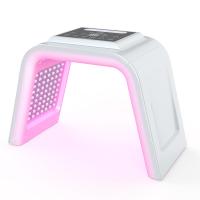
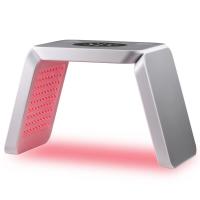
LED Therapy: Medical-grade requires minimum 60mW/cm² intensity
Industry Trends and Regional Demand
North America dominates 38% market share due to advanced dermatology practices. The Asia-Pacific region shows fastest growth (9.1% CAGR) with increasing medical tourism. New EU regulations now require full material disclosure for all professional devices.
Frequently Asked Questions
Q: Can professional equipment be used for home treatments?
A: No, these devices require specialized training and are designed for clinical environments only.
Q: What certifications should I verify?
A: Look for FDA 510(k), CE Mark, and ISO 13485 compliance at minimum.
Q: How to handle customs clearance?
A: Work with suppliers who provide HS codes and complete documentation for smooth import processes.